How to Diagnose and Repair Automotive Electrical Systems
Published
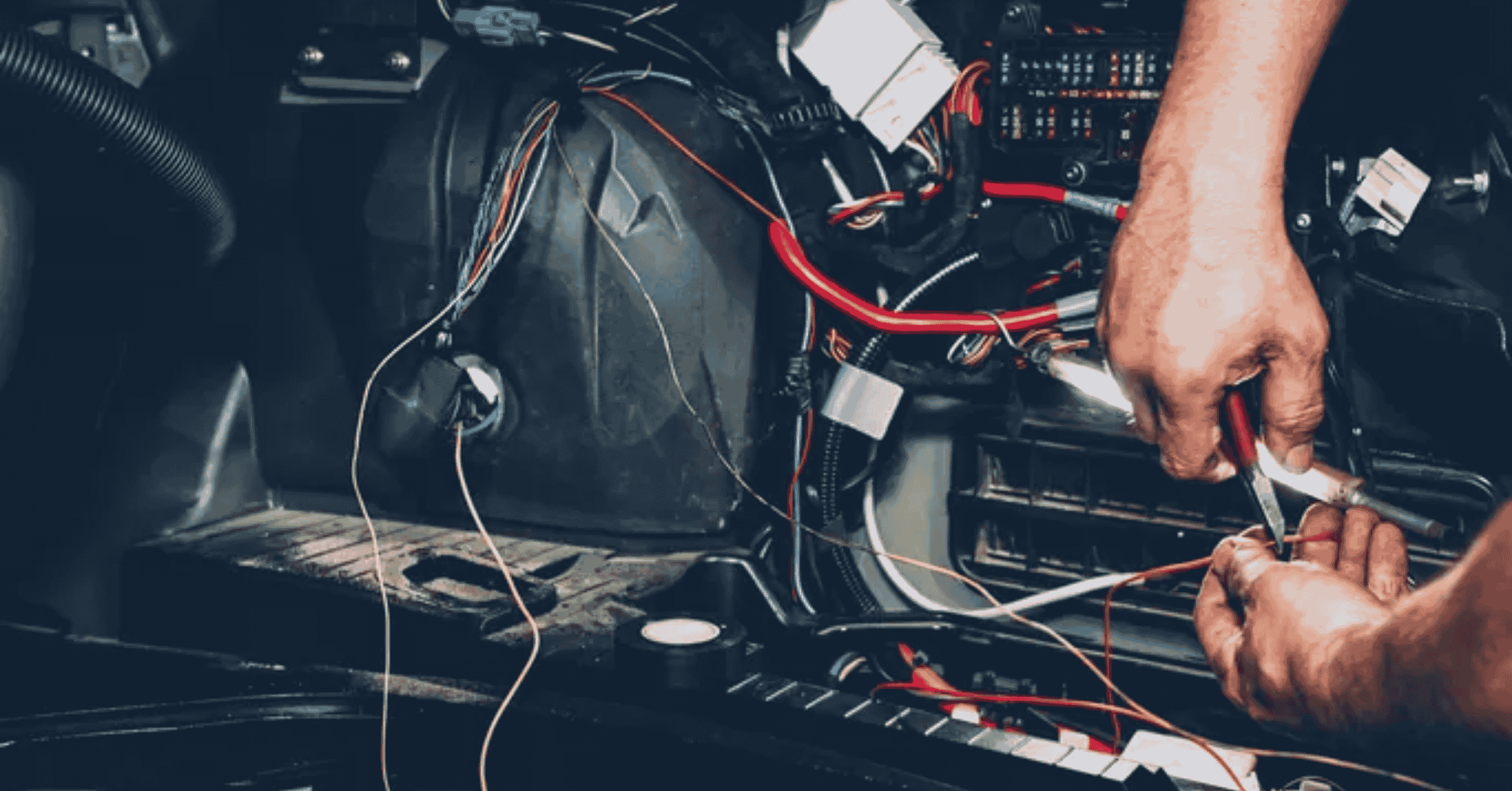
Modern vehicles are controlled by complex electrical and electronic systems that manage everything from engine performance and lighting to safety features and infotainment. When an electrical fault occurs such as a dead battery, malfunctioning alternator or faulty sensor the vehicle may not start or may display warning lights. Diagnosing these problems requires both technical knowledge and specialised tools. In Dubai, heat and dust accelerate wear on batteries and wiring, making electrical issues more common.
This comprehensive guide explains how automotive electrical systems work, the most common faults, step‑by‑step diagnostic procedures, why DIY repairs can be risky and why Caroto Repair Dubai is the trusted choice for electrical repairs.
Understanding Vehicle Electrical Systems
The electrical system comprises three main components: the battery, alternator and starter. Together they supply power to all circuits, sensors and control modules. The Engine Control Unit (ECU) acts as the vehicle’s brain, monitoring sensors and managing actuators. Modern cars rely on numerous sensors and modules connected via wiring harnesses. When any part of this network fails due to blown fuses, corroded connections, faulty sensors or software issues, electrical problems arise.
Common Electrical Issues
Typical electrical faults include:
Dead or weak battery: Batteries supply power to start the engine and run accessories. In Dubai’s climate, high heat shortens battery life; car batteries that normally last 3–5 years may fail after only 1–2 years. Signs of failure include slow cranking, clicking when turning the key and dim lights.
Faulty alternator: The alternator charges the battery and powers the electrical system while the engine runs. Symptoms of a failing alternator include dimming headlights, unusual noises or difficulty starting. Alternator tests are essential during regular maintenance.
Starter motor problems: A bad starter produces a clicking sound or causes the engine not to crank. Auto electricians test voltage and current draw to determine if the starter requires repair or replacement.
Wiring faults and electrical shorts: Loose or corroded connections, frayed wires and damaged insulation can cause intermittent power loss and blown fuses. Dubai’s dusty conditions accelerate corrosion, making regular wiring inspections important.
Blown fuses and circuit overloads: Fuses protect circuits from overload. Burnt fuses and repeated blowouts indicate underlying issues.
Malfunctioning sensors or ECUs: Faulty sensors or software can trigger warning lights and erratic behaviour. Diagnosing ECU‑related faults requires specialised tools and expertise.
Tools Required for Electrical Diagnostics
Professional technicians use a range of diagnostic tools:
OBD‑II scanner: Connects to the vehicle’s diagnostic port and retrieves fault codes. Advanced models display live sensor data and freeze‑frame information. Reading codes helps identify malfunctioning systems.
Digital multimeter (DMM): Measures voltage, resistance and continuity. A multimeter confirms that components receive proper power and helps identify broken circuits or short circuits.
Oscilloscope: Analyses electrical waveforms for sensors and ignition systems. It is useful for diagnosing complex signals not visible on a multimeter.
ECU diagnostic tools and software: OEM‑level tools can read codes, reprogram modules and reset systems.
Battery tester and parasitic draw tester: Measures battery health and identifies circuits that drain power when the vehicle is off.
Step‑by‑Step Diagnostic Process
Professionals follow a logical sequence to troubleshoot electrical issues:
Visual inspection: Check the battery, wiring harnesses, fuses and connectors for visible damage or corrosion. Loose or corroded terminals are common causes of starting problems.
Use an OBD‑II scanner: Connect the scanner to the diagnostic port and retrieve fault codes. Codes indicate which systems require attention. Cross‑check live sensor data against manufacturer specifications.
Test the battery: Use a multimeter to measure voltage and load. A healthy battery should produce 12.6 volts when the engine is off and around 13.8–14.4 volts when running. Battery testing is especially important in Dubai, where heat and vibration accelerate deterioration.
Inspect fuses and relays: Locate the fuse box (often under the dashboard or in the engine bay) and check for burnt fuses. Replace blown fuses with ones of the same amperage and investigate if they blow again, repeated blown fuses indicate deeper faults.
Alternator test: Use a multimeter to test the alternator’s output. A healthy alternator produces 13.8–14.4 volts at idle. Rev the engine and watch for voltage fluctuations. Low voltage or erratic output indicates a failing alternator.
Wiring and ground inspection: Check for frayed or corroded wires, loose connectors and damaged insulation. Use a multimeter to test for continuity and voltage drops. Ensure all grounds are secure.
Advanced diagnostics: For complex faults, use an oscilloscope to analyse sensor signals or specialised ECU tools to update software. Perform parasitic draw tests if the battery drains overnight.
Why DIY Electrical Repairs Are Risky
Electrical systems in modern vehicles are sophisticated and operate at high voltage and amperage. Improper repairs can cause further damage or even pose safety hazards. DIY repairs can result in:
Electrical shorts or fire: Incorrect wiring or using improper fuses can create shorts, leading to blown circuits or fires.
Component damage: Using outdated or low‑quality diagnostic tools may misdiagnose the fault, leading to unnecessary part replacements or damaging sensitive modules.
Safety risks: Mishandling batteries or high‑voltage components (e.g., hybrid systems) can cause electric shock. Airbags and other safety systems rely on precise electrical signals; inadvertent triggering can be dangerous.
Software issues: Modern vehicles often require ECU updates and calibrations after repairs. Without manufacturer‑specific tools, DIY fixes can corrupt software, leading to persistent problems.
Because of these risks, it is advisable to seek professional help. Trained technicians have the expertise, equipment and access to manufacturer data necessary for accurate diagnosis and safe repairs.
Dubai‑Specific Considerations
Dubai’s extreme heat and dusty conditions create unique challenges for electrical systems. Prolonged exposure to high temperatures accelerates battery fluid evaporation and internal corrosion; even high‑quality batteries may fail within 13–18 months. Dust accumulates on terminals, causing corrosion and loose connections. To mitigate these effects:
Regular battery inspections: Check terminals for corrosion, ensure tight connections and test voltage regularly. Replace batteries every few years even if they appear healthy.
Periodic alternator tests: Have your alternator tested to confirm it delivers the correct voltage.
Electrical system diagnostics: Conduct comprehensive diagnostics during routine servicing to detect latent problems.
Climate considerations: Park in shaded areas or use car covers to reduce heat exposure. Maintain the cooling system to prevent overheating, which can damage electrical components. Dusty conditions require regular cleaning of terminals and connectors.
Why Choose Caroto Repair Dubai for Electrical Repairs
Caroto Repair Dubai is a trusted specialist in automotive electrical diagnostics and repairs, offering reliable solutions for both modern and conventional vehicles. Our process begins with thorough diagnostics using professional OBD-II scanners, multimeters, and manufacturer-specific software to accurately identify electrical faults without unnecessary part replacements.
Our technicians have hands-on experience with traditional electrical systems as well as advanced technologies found in modern, hybrid, and electric vehicles. Through continuous training and real-world expertise, we stay up to date with evolving automotive systems to deliver precise and dependable repairs. We use advanced diagnostic and repair equipment, including ECU programming and calibration tools, to ensure every repair meets manufacturer standards. This allows us to restore vehicle performance while protecting factory warranties.
Dubai’s extreme heat and dusty conditions can accelerate electrical component wear. With strong local expertise, we recommend preventive checks for batteries, alternators, wiring, and sensors that suit UAE driving conditions. Quality and transparency are central to our service. We use genuine or OEM-equivalent parts and clearly explain all findings and costs before starting work. At Caroto Repair Dubai, customer safety, trust, and long-term reliability are always our priorities.
Conclusion
Diagnosing and repairing automotive electrical systems is an intricate process that demands the right tools, technical expertise and an understanding of your vehicle’s network of sensors, wiring and modules. With Dubai’s harsh climate accelerating wear on batteries and wiring, preventative maintenance and timely diagnostics are essential. Although some checkslike inspecting battery terminals or replacing a blown fusecan be performed by car owners, complex diagnostics and repairs are best left to professionals. Caroto Repair Dubai offers comprehensive electrical diagnostic services, advanced equipment and experienced technicians who understand local conditions.
Whether you’re dealing with a persistent warning light, battery problems or wiring faults, contact Caroto Repair Dubai to schedule a diagnostic check and ensure your vehicle’s electrical system remains safe and reliable.