How to Fix a Flat Tire On a Car: 6 Quick Solutions
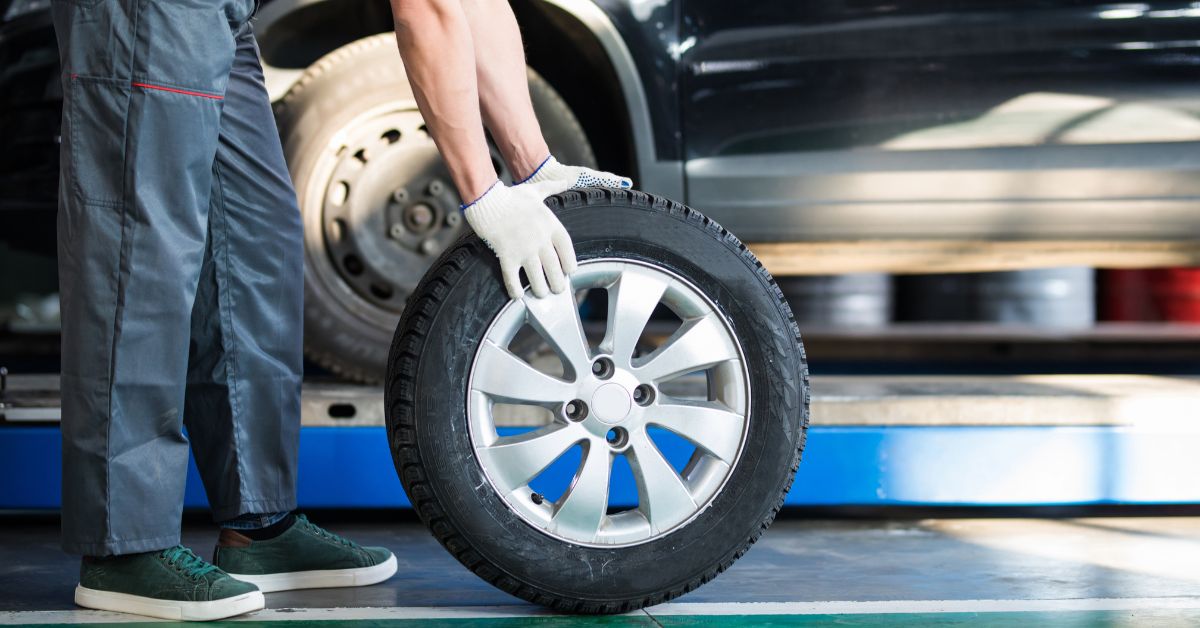
How to Fix a Flat Tire On a Car: 6 Quick Solutions starts with a simple answer: most punctures can be handled safely in 20 to 30 minutes if you use the right method. If you are stranded near Dubai Marina, this guide shows you exactly what to do using tools like a spare tire, jack, tire inflator, sealant kit, or plug set.
A flat tire usually happens because of nails, overheating, low air pressure, or worn tread. In Dubai’s extreme heat, tire rubber weakens faster, increasing failure risk. According to the American Automobile Association, more than 30 million drivers request roadside help every year, with tire problems among the top causes. Michelin and National Highway Traffic Safety Administration also warn that improper repairs increase blowout risks.
This article gives you six proven ways to fix a flat, from changing a spare to using sealant or calling roadside support. You will learn when each option works, how to avoid damage, and how to drive safely to a repair shop.
Choose the Right Flat Tire Fix in 30 Seconds
If your tire goes flat, the right fix depends on where the damage is, what tools you have, and where you are parked. Use these quick tips to decide safely and fast.
Do You Have a Spare Tire Available?
If you have a spare tire, jack, and lug wrench, this is usually the safest and fastest solution. Move to a stable surface, turn on hazard lights, loosen the lug nuts slightly, jack up the vehicle at the correct lift point, and install the spare.
A full size spare can handle normal driving speeds. A temporary donut spare should be driven slowly and replaced as soon as possible.
Is the Puncture Small and in the Tread Area?
If the hole is small, like a nail or screw in the center tread area, you can often use a tire plug kit or sealant with an air compressor.
This works only for minor tread punctures. After sealing or plugging, check tire pressure and drive carefully to a repair shop for inspection.
Is the Damage on the Sidewall or Shoulder?
If the puncture is on the sidewall or near the tire shoulder, do not attempt a plug or sealant repair. Sidewall damage weakens the tire structure and increases blowout risk. In this case, replace the tire or call for assistance.
Are You in an Unsafe Location or Heavy Traffic?
If you are on a busy Dubai highway, near fast moving traffic, or on soft sand, your safety comes first. Do not attempt roadside repair in dangerous conditions.
When You Must Stop and Call Roadside Help
Call roadside support immediately if:
The tire is shredded or completely off the rim
You have no spare or repair kit
Lug nuts will not loosen
The vehicle is unstable or sinking
You feel unsafe changing the tire
Safety always comes before speed.
Before You Start, Essential Roadside Safety Checklist
Before fixing a flat tire, take a few minutes to secure your vehicle and protect yourself. Most roadside injuries happen because drivers rush and skip basic safety steps. This checklist helps you stay safe and confident before starting any repair.
Where to Park Safely in Dubai Roads
Move your car to a flat, firm surface away from traffic. If possible, exit highways like Sheikh Zayed Road and park on a service lane, shoulder, or parking bay. Avoid stopping on curves, slopes, bridges, or soft sand, as these areas make jacking unsafe. Always position your car so passing vehicles can see you clearly.
Turn On Hazard Lights and Secure the Vehicle
Switch on hazard lights immediately to alert other drivers. Engage the parking brake and turn off the engine. If available, place a warning triangle behind your car. If you have passengers, ask them to stand away from traffic while you work.
Tools You Need From Your Trunk
Before lifting the car, take out:
Jack
Lug wrench
Spare tire
Tire inflator
Wheel chocks
Place these within reach so you do not need to search while the car is raised.
Solution 1: Change to the Spare Tire Step by Step
Ever notice how a flat tire always happens in the worst spot, like a hot afternoon near Dubai? If you have a spare, you can usually be rolling again in 15 to 25 minutes, as long as you follow the safest order of steps.
Loosen Lug Nuts Correctly
Before you jack the car up:
Turn the lug nuts counterclockwise just enough to “break” them loose.
Use your body weight carefully, do not jump on the wrench.
If the nuts are stuck, try a longer handle, but keep the wheel on the ground for stability.
Find Proper Jack Points
Check your owner’s manual to find the correct jack point. Using the wrong spot can damage your car or make it slip. On Dubai roads, avoid soft sand. Place a flat wooden board under the jack if the ground is unstable.
Lift the Car and Remove the Flat Tire
Lift the car until the flat tire is just off the ground.
Remove the lug nuts completely and pull the wheel straight out.
Place the flat tire under the car frame for extra safety.
Install the Spare and Tighten in Star Pattern
Mount the spare, hand tighten lug nuts first.
Lower the car until the tire touches the ground, then tighten in a star pattern.
Check Tire Pressure After Installation
If you have a gauge or inflator, check PSI immediately. Many spares sit underinflated from storage.
How Far You Can Drive on a Donut Spare
A compact spare is only for emergency use. Do not drive faster than 80 km/h (50 mph). Try to drive no more than 80 km (50 miles). Visit a repair shop as soon as possible to fix or replace your original tire.
Solution 2: Use Tire Sealant and Air Compressor Kit
Quick question, do you want a fast temporary fix without lifting the car? A sealant and air compressor kit can help with small tread punctures, but only in the right situation. Many safety guides warn that after using emergency repairs, you must drive slowly and only for short distances because tire strength and handling change.
When Sealant Works and When It Fails
Sealant is a good choice when:
The puncture is small and in the center tread
The tire still holds some air
You need to reach the nearest tire shop in Dubai
Sealant is a bad choice when:
The damage is on the sidewall or shoulder
The tire is shredded, or the bead is off the rim
You have multiple holes or a long cut
How to Use a Sealant Kit Properly
Park in a safe place, turn on hazard lights, and set the parking brake.
Attach the sealant hose to the valve stem.
Inject the sealant, then inflate the tire with the compressor.
Drive slowly for 5 to 10 minutes to spread the sealant, then check the air pressure again.
Speed and Distance Limits After Sealing
Treat sealant as a temporary rescue, not a full repair. Drive smoothly, avoid hard braking, and go straight to a tire shop for inspection and a proper repair.
Effect on TPMS Sensors
Some sealants claim to be safe for TPMS, but this depends on your vehicle and sensor type. It is best to check with your vehicle manufacturer to confirm if your TPMS system supports sealant use. If your TPMS light stays on after sealing, have a workshop inspect and clean components during the tire service.
Solution 3: Fix the Puncture Using a Tire Plug Kit
We have met many drivers in Dubai who thought a plug kit was “too technical,” until they tried it once and realized it can seal a small nail hole in under 10 minutes. According to guidance from the Tire Industry Association, proper plug repairs can temporarily restore pressure when used in the safe repair zone. A tire plug kit works best for small tread punctures and helps you reach a workshop without removing the wheel.
Tools Included in a Plug Repair Kit
Most kits contain:
Reamer tool (to clean the hole)
Insertion tool
Rubber plug strips
Rubber cement (optional)
Small blade or cutter
Keep one in your trunk for emergencies.
Find and Prepare the Nail or Screw Hole
Look for nails, screws, or sharp objects in the tread.
Remove the object with pliers.
Insert the reamer and twist it several times to clean and widen the hole slightly.
This step helps the plug grip properly.
Insert Plug and Inflate the Tire
Thread the rubber plug into the insertion tool.
Push it firmly into the hole until only a small part remains outside.
Pull the tool straight out.
Inflate the tire to the recommended PSI.
Test for Air Leaks
Spray soapy water on the repaired area. If bubbles appear, the seal is leaking and needs redoing.
Maximum Safe Hole Size for Plug Repairs
Most experts recommend plugging holes up to 6 mm (¼ inch) in diameter, located in the center tread. Larger holes require professional tire repair.
Solution 4: Patch vs Plug vs Professional Repair
Many drivers ask us, “Is a plug enough, or do I really need a shop repair?” The answer depends on safety and long-term reliability. The U.S. Tire Manufacturers Association states that permanent repairs should seal both the inside liner and the tread.
Inside Patch Repair at a Workshop
A professional patch repair involves:
Removing the tire from the wheel
Inspecting the inside for hidden damage
Applying a patch to seal the liner
This method restores structural integrity and is considered a permanent fix.
Plug Plus Patch Combination Repair
Many workshops use a “plug-patch” system:
A stem seals the puncture channel
A patch seals the inner liner
This is the gold standard for most tread punctures.
Which Repair Lasts the Longest
From most reliable to least:
Plug plus patch repair
Internal patch repair
External plug only
External plugs alone are best treated as temporary.
Why Shops Inspect Tires Internally
Internal inspection reveals:
Sidewall cracks
Hidden bulges
Moisture damage
Belt separation
These issues cannot be seen from outside and can cause sudden blowouts.
Solution 5: Inflate and Drive to the Nearest Repair Shop
Have you ever noticed your tire slowly losing air, but not fully flat yet? In many cases, temporary inflation can buy you enough time to reach a nearby garage.
When Temporary Inflation Is Safe
You may inflate and drive if:
The tire loses air slowly
There is no visible sidewall damage
The rim is not bent
The tire holds pressure for at least 15 to 20 minutes
This method is best for reaching the nearest shop in Dubai.
How to Find a Slow Leak Quickly
Use this simple test:
Mix soap and water
Spray on tread and valve stem
Watch for bubbles
Bubbles indicate escaping air.
Driving Limits With Low Pressure
If you must drive on a low tire:
Keep speed under 50 km/h
Avoid sharp turns and heavy braking
Drive only short distances
Never drive long distances on low pressure, as it can destroy the tire and damage the rim.
Solution 6: Call Roadside Assistance or Mobile Tire Service
I have spoken to many drivers who tried to “push through” a bad flat, only to damage their rims or put themselves in danger. Sometimes, the smartest move is to stop and call for help.
Situations That Require Professional Help
Call for assistance if:
The tire is shredded or off the rim
The sidewall is damaged
You have no spare or repair kit
Lug nuts are seized
The car feels unstable
What Information to Provide When Calling
Be ready to share:
Your car model and tire size
Your exact location
The type of damage
Whether you have a spare
This helps technicians arrive prepared.
Emergency Services in Dubai
Dubai drivers can rely on services linked with Roads and Transport Authority Dubai partners, insurance providers, and mobile tire units operating across major highways.
Preparing Your Location Pin
Drop a live GPS pin on Google Maps or WhatsApp before calling. It saves time and avoids confusion.
Common Flat Tire Problems and Quick Fixes
Have you ever stood next to your car thinking, “Why is this not working?” You are not alone. Most flat tire delays happen because of simple, fixable issues.
Lug Nuts Will Not Loosen
Use your body weight slowly
Extend the wrench with a pipe if available
Turn counterclockwise firmly
Avoid jumping, it can snap studs
Jack Sinks Into Soft Ground
Place a wooden board or thick mat under the jack
Move to firmer ground if possible
Never jack directly on sand
Missing Spare Tire
Check under the trunk and undercarriage
Use sealant or inflator if available
Call mobile service if none exist
Wheel Lock Key Is Lost
Check glove box and trunk pockets
Contact your dealer
Do not force removal, it damages studs
TPMS Warning After Repair
Recheck tire pressure
Drive for 10 to 15 minutes
Reset via dashboard if supported
Visit a shop if light remains on
Safety Rules That Prevent Blowouts and Tire Failure
I always tell drivers this: most blowouts do not happen suddenly. They build up over weeks of neglect.
Sidewall Damage and Bulges
Replace the tire immediately if you see:
Cracks
Bulges
Cuts
Exposed cords
These mean internal weakness.
Tread Zone Repair Limits
Only repair punctures:
In the center tread
Smaller than 6 mm
Away from shoulders
Side repairs are unsafe.
When to Replace Two or Four Tires
Replace in pairs or sets if:
Tread difference exceeds 3 mm
You drive a front or all wheel drive vehicle
Handling feels unstable
Matched tires protect suspension and braking.
Heat and Overloading Risks in Dubai
Dubai heat accelerates tire wear. Reduce risk by:
Checking pressure monthly
Avoiding overloading
Parking in shade
Replacing tires every 3 to 4 years
Conclusion
A flat tire can feel stressful, especially on busy Dubai roads, but now you know exactly what to do. Whether it is changing to a spare, using a sealant kit, plugging a small tread puncture, or calling roadside support, you have clear, safe options. The key is acting quickly, choosing the right method, and knowing when professional help is the smarter choice.
If you are unsure about the damage or prefer expert assistance, our team at Caroto Repair Dubai is ready to inspect, repair, or replace your tire safely and efficiently. We provide fast support across Dubai so you can get back on the road with confidence.
Need immediate help? Contact Caroto Repair Dubai today and let our certified technicians handle it professionally.
Frequently Asked Questions
Question: How Long Can I Drive on a Spare Tire?
Answer: Most temporary spare tires are designed for short distances only. According to American Automobile Association, you should stay under 80 km/h and drive no more than 80 km. Full size spares can last longer but still need inspection.
Question: Is It Safe to Drive With a Plugged Tire?
Answer: A properly installed plug in the center tread area can be safe temporarily. However, Michelin recommends a professional internal patch or plug-patch for long-term reliability.
Question: Does Sealant Damage Tires?
Answer: Most modern sealants are temporary and washable, but some can affect balance and sensors. Always inform the repair shop if you used sealant so they can clean the tire properly.
Question: Can Run Flat Tires Be Repaired?
Answer: Some run flat tires can be repaired, but only if driven very short distances after losing pressure. Many need replacement due to internal damage.
Question: How Much Does Repair Cost in Dubai?
Answer: Basic plug or patch repairs usually range from AED 30 to AED 80. Full replacements depend on tire brand and size.