How to Fix an Oil Leak in a Car
Published
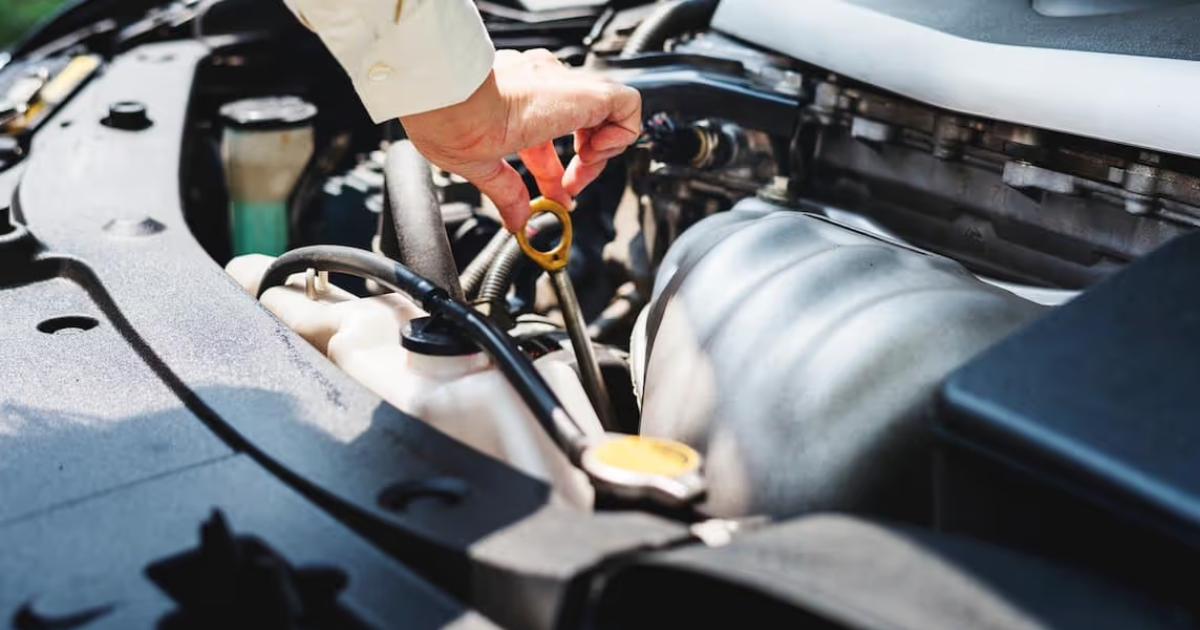
Spotted a dark puddle under your car this morning? To fix an oil leak in a car, you first find the exact source (usually a worn gasket, seal, drain plug or oil filter), then either tighten the loose part, apply a temporary sealant, or replace the failed component and test for a clean, dry result. In Dubai, a professional oil leak repair typically costs between AED 150 and AED 1,500, though luxury engines and rear main seal jobs can run higher. Because the UAE heat is so hard on rubber seals, small leaks here turn into big ones fast.
At Caroto Repair Dubai, our certified mechanics trace and fix oil leaks on every make and model, at our workshop or right at your home or roadside anywhere in Dubai. This guide walks you through the causes, the warning signs, the actual repair steps, and honest AED pricing, so you know exactly what you are dealing with before the leak drains your engine or your wallet.
What Is a Car Oil Leak?
A car oil leak happens when engine oil escapes from the sealed lubrication system through a worn, cracked or loose component. Oil is meant to circulate inside a closed loop, coating moving parts so they do not grind against each other. When a seal or gasket fails, that oil seeps out, drips onto the ground, and slowly lowers the level your engine depends on.
Ignore it and the engine loses lubrication, runs hotter, and eventually risks serious internal damage. That is why even a few drops deserve attention, especially in Dubai's climate.
Is It Really Oil? How to Tell Oil From Other Leaks
Before you fix anything, confirm the fluid is actually oil. Cars leak several fluids, and each one points to a different problem. Here is a quick way to identify what is pooling under your vehicle.
If the fluid is brown or black and greasy, you are dealing with an oil leak. Next, let us look at how your car tells you.
Common Signs and Symptoms of an Oil Leak
Sometimes the puddle is obvious. Often, though, the early warning signs show up first. Watch for these symptoms so you can act before the leak grows.
Dark brown or black spots on your parking spot or driveway
A burning oil smell while driving or after parking
Blue or grey smoke from the engine bay or exhaust
The oil pressure or oil can warning light on your dashboard
A low oil level on the dipstick between services
The engine running hotter than usual, or overheating in traffic
A sizzling or ticking sound as oil drips onto hot engine parts
If you notice even one of these, check your oil level right away and top up if it is low. Then book an inspection before the next drive turns costly.
What Causes Car Oil Leaks?
Oil can escape from many points around the engine. Knowing the usual suspects helps you understand your repair and its cost. These are the most common causes our Dubai workshop sees.
Valve cover gasket: Sits at the top of the engine and hardens with heat over time, letting oil weep down the side of the block.
Oil pan gasket: Seals the pan at the bottom of the engine. Age, heat and road debris break this seal and cause steady drips.
Damaged oil pan: A speed bump, kerb or road stone can dent or crack the pan itself.
Loose or worn drain plug: After an oil change, a poorly torqued plug or a worn washer leaks slowly but steadily.
Faulty oil filter: A loose, damaged or wrong-fit filter leaks around the housing and is one of the easiest causes to fix.
Front and rear main seals: These seal the crankshaft. The rear main seal in particular is labour heavy because the gearbox often has to come off.
Camshaft and timing cover seals: Worn seals here leak oil from the front of the engine.
Oil cap, oil pressure sensor and PCV valve: Small parts that crack, loosen or clog and let oil escape or push out under pressure.
Oil cooler lines: Cracked lines or worn connections drip near the fittings.
Overfilled oil: Too much oil raises pressure and forces it past seals that would otherwise hold.
Why Oil Leaks Are Worse in Dubai's Heat
Here is the part the global guides leave out. Dubai's climate is uniquely tough on the very parts that keep oil sealed inside your engine. Under constant high heat, rubber gaskets and seals dry out, harden and crack far sooner than they would in a mild climate. Long summer drives and heavy traffic idling push engine bay temperatures even higher, which speeds up that ageing. On top of that, fine desert sand works its way into seals and washers, wearing them down grain by grain.
The result is simple: cars in the UAE develop oil leaks earlier and more often. So a leak you might safely watch for months elsewhere can become urgent here in weeks. Regular servicing with the correct oil grade is your best defence, which is exactly why we build oil change service into seasonal maintenance.
How to Fix an Oil Leak in a Car: Step by Step
Once you know the source, the repair follows a clear path. Some leaks are a quick fix. Others need proper tools and experience. Here is the professional process, step by step.
Step 1: Locate the Leak
First, clean the engine and underside with a degreaser so old oil does not mask the fresh source. Then add a UV dye to the oil, run the car, and inspect under a black light. The glow points straight to the leaking component, whether that is a valve cover, an oil pan or a main seal.
Step 2: Tighten What Is Loose
Next, check the simple causes. A drain plug, oil filter or oil cap that is loose can often be tightened to the correct torque, and the leak stops. Never overtighten, though, because that cracks gaskets and makes things worse.
Step 3: Consider a Stop-Leak Additive (Temporary)
If the leak is minor and comes from a slightly worn rubber seal, a stop-leak additive can soften and swell the seal to close the gap. Keep in mind this is a short-term measure, not a real repair. It takes a few hundred kilometres to act and buys you time until a proper fix.
Step 4: Replace the Failed Part
For a torn gasket, a cracked pan or a worn seal, replacement is the only lasting solution. The mechanic removes the affected part, cleans the mating surfaces, fits a new gasket or seal to the correct specification, and reassembles everything. This is where professional tools and torque accuracy matter most.
Step 5: Refill, Run and Test
Finally, top up with the right oil grade, run the engine for ten to fifteen minutes, and inspect for any weeping. Then move the car and check the ground again after it sits. A clean, dry spot confirms the job is done.
DIY vs Professional Oil Leak Repair
A confident owner can handle the small stuff. The rest is best left to a mechanic, both for safety and to avoid turning a cheap fix into an expensive one. You can usually DIY a loose drain plug, a simple oil filter reseal, or a stop-leak additive on a minor seal. You should call a professional for valve cover gaskets, oil pan gaskets, camshaft seals, and especially the rear main seal, since these need lifting equipment, torque tools and, sometimes, gearbox removal. If you cannot pinpoint the source, or the car is a luxury or newer model with tight engine bays, a proper diagnosis saves you guesswork and repeat repairs.
At Caroto, this is where our mobile service earns its keep. Instead of driving a leaking car across the city, you can have our mechanic come to your home, office or roadside for the diagnosis and, in many cases, the repair.
Car Oil Leak Repair Cost in Dubai
Cost depends on which part is leaking, your car brand, and how much labour the job needs. The ranges below reflect typical independent workshop pricing in Dubai. Luxury and European models sit at the higher end. Always confirm with an inspection first.
For a firm quote on your exact car, our team gives you a transparent breakdown before any work begins through ourgeneral car repair service.
Is It Safe to Drive With an Oil Leak?
For a very small leak, you can drive short distances while you arrange a repair, as long as you check and top up the oil regularly. However, this is a risk, not a plan. If the level drops too low, the engine loses lubrication, overheats and can seize, which turns a minor gasket job into a full engine repair.
In Dubai's heat that risk climbs quickly, because a hot engine burns off leaking oil faster. The safe move is to stop driving on it and book a check without delay. If you are already stranded, our24/7 mobile mechanics can reach you across the city.
How to Prevent Oil Leaks in Dubai
Prevention is cheaper than any repair. A few simple habits go a long way in this climate.
Service your car and change the oil on schedule, using the correct grade for UAE heat
Always fit a genuine, correctly sized oil filter
Make sure the drain plug and filter are torqued properly at every oil change
Never overfill the oil, since excess pressure pushes past seals
Glance at your parking spot regularly for fresh spots
Get seals and gaskets inspected before summer, when heat stress peaks
Why Choose Caroto Repair Dubai for Oil Leak Repair
When your car is leaking oil, you want it traced and fixed right the first time. That is what we do, with none of the guesswork. Our certified mechanics use UV dye diagnostics and modern tools to find the true source, then repair it with genuine parts and a clear AED quote up front. Best of all, you do not have to risk driving a leaking car across town. Our 24/7 mobile team comes to you across Al Barsha, Business Bay, Dubai Marina, Jumeirah, Motor City, Dubai Silicon Oasis, Palm Jumeirah and every neighbourhood in between. From a quick drain plug reseal to a fullengine repair, we handle American, German, Japanese, British and French cars with honest, dependable service.
In Closing
An oil leak rarely fixes itself, and in Dubai's heat it only gets worse. Catch it early, identify the source, and choose the right repair, whether that is a simple tightening or a proper seal replacement. Do that, and you protect both your engine and your budget.
Ready to stop the drip for good? Visit Caroto Repair Dubai or call our team, and we will trace, quote and fix your oil leak, at our workshop or at your doorstep anywhere in Dubai.
Caroto Repair Dubai 67M8+FHQ, Jumeirah, Jumeira First, Dubai, United Arab Emirates Call or WhatsApp: +971 56 858 7348 · Open 24/7
Frequently Asked Questions
Q1. How much does oil leak repair cost in Dubai?
Answer: Most oil leak repairs in Dubai cost between AED 150 and AED 1,500, depending on the leaking part and your car brand. Minor fixes like a drain plug or oil filter reseal are cheapest, while a rear main seal on a luxury car can exceed AED 4,000. A quick inspection gives you an exact figure.
Q2. Can I drive my car with an oil leak?
Answer: You can drive short distances with a very minor leak if you keep the oil topped up, but it is risky. A dropping oil level can starve and overheat the engine, especially in Dubai's heat, leading to major damage. It is safer to book a repair right away.
Q3. Why does my car leak oil more in summer?
Answer: Dubai's extreme heat dries out and hardens the rubber gaskets and seals that keep oil contained. As they crack, oil escapes more easily. High engine bay temperatures and fine desert sand speed up this wear, so leaks are more common in the hot months.
Q4. How do I know if it is an oil leak or another fluid?
Answer: Check the colour and feel. Engine oil is light brown when fresh and dark brown or black when old, and it feels slick and greasy. Coolant is green, orange or pink, transmission fluid is reddish, and clear water is usually harmless AC condensation.
Q5. Do stop-leak additives really work?
Answer: Stop-leak additives can slow or temporarily seal a small leak from a worn rubber seal by softening and swelling it. They are a short-term measure, not a permanent repair, and they will not fix a cracked pan, a torn gasket or a serious seal failure. Replacement is the lasting solution.
Q6. Can Caroto fix an oil leak at my home in Dubai?
Answer: Yes. Our 24/7 mobile mechanics come to your home, office or roadside anywhere in Dubai. We diagnose the leak with UV dye on the spot and, for many leaks, complete the repair without you ever driving the car to a workshop.
Q7. Will an oil leak cause my car to fail the RTA test?
Answer: It can. Visible oil leaks and low oil levels are common reasons a vehicle is flagged during inspection. Fixing the leak before your test keeps your car compliant and saves you a repeat visit.
Q8. How long does an oil leak repair take?
Answer: Simple fixes like a drain plug, oil filter or oil cap take under an hour. Valve cover and oil pan gaskets usually take a few hours. Rear main seal jobs take longer because the gearbox often has to be removed. We give you a time estimate with your quote.