How to Remove Paint From Car Body
Published
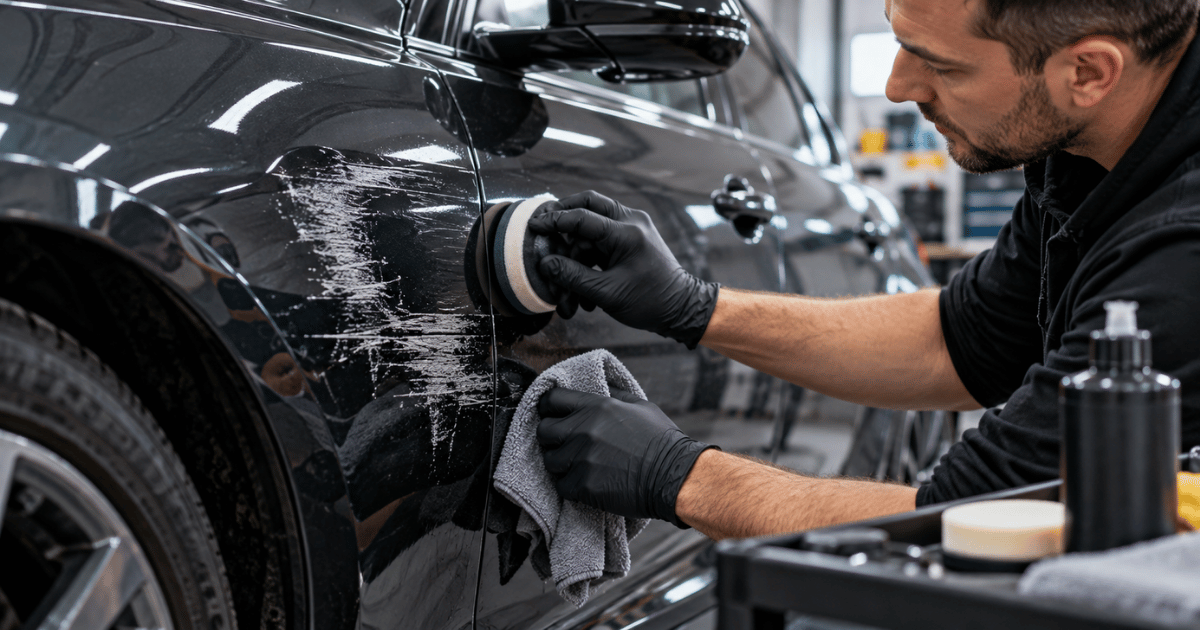
How to remove paint from car body safely depends on which paint you want to remove. For transferred paint or light overspray sitting above the clear coat, start with washing, gentle decontamination, and polishing. For damaged factory paint or a full repaint, professional sanding or stripping may be required before refinishing. At Caroto Repair Dubai in Jumeirah 1, our body repair process includes paint assessment, sanding, surface preparation, color matching, refinishing, and final polishing. The key is removing only the unwanted layer without cutting unnecessarily through healthy clear coat, basecoat, primer, or the panel underneath. This guide explains how to identify the damage, remove light paint transfer safely, handle deeper paint removal, avoid common mistakes, and know when professional body repair is the better choice. Start with washing and inspecting the affected area before using any removal product. Light paint transfer may come off with automotive-safe decontamination or mild polishing. Use the least aggressive method first to protect the original clear coat. Avoid strong solvents, rough pads, or unnecessary sanding on factory paint. Deep scratches, exposed primer, peeling paint, or rust may require professional refinishing. Work on a cool panel and test products on a small hidden area first. Stop immediately if the original paint or clear coat starts changing. Full paint stripping and major refinishing are better handled by a professional body shop. The first step is identifying whether the unwanted material is paint transfer on top of your finish or your vehicle's own damaged paint. This matters because the removal methods are completely different. Paint transfer happens when another painted object contacts your vehicle but does not fully cut through your original finish. Examples include another car rubbing a bumper, a painted wall touching a door, or a minor parking scrape. The foreign paint may sit mainly on top of the clear coat. In that case, you may only need: washing → decontamination → light polishing. Overspray consists of tiny paint droplets settling on the vehicle. It can feel rough even when the surface looks relatively clean. Depending on the paint and how long it has cured, an automotive clay product or professional decontamination may remove it. Deep scratches, peeling paint, failed clear coat, previous poor repairs, or corrosion may require actual removal of the vehicle's existing coating. That becomes a refinishing job rather than simple cleaning. For surface paint transfer, always move from the least aggressive method to the most aggressive. This protects as much original clear coat as possible. Wash the panel thoroughly before rubbing or polishing it. Loose sand and dust can scratch the clear coat when rubbed across the surface. Use automotive shampoo and clean microfiber materials. Dry the area so you can inspect the damage clearly. Avoid starting with solvent on a dirty panel. Run a clean fingertip lightly across the affected area. Do not scrape it with your nail. Look closely at the mark under good lighting. If the unwanted color appears above an otherwise smooth surface, it may be transferred paint. A scratch exposing primer, metal, or plastic needs body repair rather than simple removal. Caroto'scar body repair and painting in Dubai service covers scratches, paint chips, refinishing, color matching, and panel restoration. For light paint transfer or overspray, begin with an automotive product designed for painted surfaces. Follow the product instructions and first test a small, less-visible area. Automotive detailing clay can also help remove bonded surface contamination when used with proper lubrication. Apply very little pressure. The goal is to lift contamination from the clear coat rather than grind through it. Light polishing can remove remaining transfer and restore gloss when the damage stays within the clear coat. Use a mild automotive polish first. Work a small area and inspect frequently. Stop when the unwanted mark disappears. Continuing to polish after that point only removes additional clear coat. Deep scratches will not disappear safely through endless polishing. Clean the panel and inspect it from several angles. Look for: exposed primer or metal deep scratches clear-coat damage dull or uneven paint remaining foreign paint dents around the impact area This inspection determines whether the repair can stop at polishing or requires refinishing. Polishing can remove some existing wax or surface protection. After the panel is clean and corrected, apply a compatible paint-protection product according to its instructions. Protection does not repair damaged paint, but it helps preserve a correctly finished surface. Stop DIY removal when the mark extends through the clear coat or basecoat. A deeper repair may require controlled sanding, filling, primer, color application, clear coat, curing, and polishing. Caroto's body repair process follows this broader sequence when damaged panels require refinishing. The correct method depends on how deeply the damage extends. This distinction prevents a common mistake: using aggressive paint stripper for a mark that only required light polishing. Yes, automotive paint can be removed by sanding, but sanding can also remove healthy clear coat, basecoat, primer, or metal very quickly. It should be controlled according to the repair and coating system. Professional body shops use different abrasive grades during different stages. The purpose may be to: remove damaged coatings, feather repair edges, prepare primer, flatten imperfections, or prepare the surface for new paint. Dry sanding also produces airborne dust. The U.S. Occupational Safety and Health Administration identifies sanding dust, paint chemicals, solvents, and other airborne contaminants as occupational hazards in autobody refinishing. For a small transfer mark, sanding should not be your first choice. Automotive paint stripper can remove existing coating systems, but it is intended for specific refinishing situations rather than routine paint-transfer removal. Chemical stripping may make sense during restoration or when a previous coating must come completely off. However, stripper compatibility differs across: metal panels, aluminium, plastics, composites, fillers, seam sealers, and existing primers. Some paint-stripping chemicals also present significant health risks. The U.S. Environmental Protection Agency regulates certain paint-stripping and autobody refinishing activities because they can release hazardous air pollutants. For full-panel stripping, professional surface preparation is generally more appropriate than experimenting with strong chemicals at home. Do not apply a random strong solvent simply because it removes paint quickly. Products such as aggressive thinners, unapproved solvent cleaners, or chemicals intended for other surfaces can soften, haze, stain, or remove automotive coatings. Also avoid aggressive scrubbing pads. Modern automotive paint normally consists of several layers. Damaging the clear coat while removing transferred paint can turn a minor cosmetic problem into a repaint. The safest principle is simple: Use the least aggressive automotive-approved method that solves the problem. Some drivers use general-purpose lubricants to loosen surface marks, but they are not a universal automotive paint-repair method. Results depend on the contamination, coating condition, and product compatibility. A dedicated automotive surface cleaner, clay system, or mild polish gives you a more controlled process. Always test any product first and wash the residue away afterward. A rubbing compound can remove some paint transfer and surface defects, but it also removes a measurable amount of the vehicle's clear coat. Compound is more aggressive than ordinary finishing polish. That makes it useful for certain defects but unnecessary for many light marks. Begin with a mild polish. Move to a stronger correction method only when the paint condition justifies it. Repeated aggressive compounding can leave insufficient clear coat for future correction. Repainting becomes more likely when the damage reaches beyond the clear coat. Typical situations include exposed primer, exposed metal, peeling coatings, severe oxidation, failed previous paintwork, rust, or large areas of deep scratching. Professional refinishing normally involves more than spraying color onto the damaged area. Surface preparation can include: cleaning, sanding, dent repair, filler, primer, basecoat, clear coat, curing, polishing, and color blending. Caroto Repair Dubai uses computerized color matching as part of its body painting service and performs both local refinishing and larger paint repairs. Dubai's climate makes surface preparation particularly important. Do not perform paint correction on a body panel that is extremely hot from direct sunlight. Products can dry too quickly, and surface temperature makes controlled working more difficult. Use a shaded, ventilated workspace and allow the panel to cool first. Dubai vehicles may also need paint correction for scratches, fading, body damage, previous repairs, or cosmetic modification. For larger appearance changes, Caroto also providescar modification services in Dubai. Drivers considering more extensive exterior customization can also read Caroto's existing guide onhow to choose the best car modification shop in Dubai. Professional repair makes more sense when paint damage extends beyond simple surface transfer. Book an assessment when you find exposed metal, a deep scratch, cracked paint, peeling clear coat, corrosion, a dent, a failed repaint, or a large overspray area. Full paint removal also requires correct dust control, chemical handling, surface preparation, and refinishing equipment. At Caroto Repair Dubai, thebody repair and painting service includes scratch repair, paint refinishing, rust treatment, panel work, polishing, and computerized color matching. For broader repair options, you can also view Caroto'scar repair services in Dubai. Start with washing, then use the least aggressive automotive-safe decontamination or polish that removes the unwanted material. Test a small area first and stop when the transfer disappears. Do not use strong solvents or sanding unless the damage actually requires paint removal. Another vehicle's paint can sometimes remain on top of your clear coat after a minor scrape. Wash the surface first, then try automotive decontamination and mild polishing. Deep scratches or exposed primer require body repair. Light overspray may respond to automotive clay or professional decontamination when the original clear coat remains intact. Heavily cured spray paint may require stronger correction, so test before using aggressive products. Strong solvent products can affect automotive clear coats and paint systems. Do not use an unapproved thinner simply because it dissolves unwanted paint. Use a product specifically compatible with the vehicle finish. Yes. Mild polishing can often remove surface paint transfer when the foreign material sits within or above the clear-coat surface. Polish cannot safely repair a scratch that has already cut through the paint layers. Yes, but sanding is an aggressive refinishing process. Incorrect technique can cut through coatings or damage panel surfaces. Use it only when the repair genuinely requires paint removal. A scratch becomes more likely to need refinishing when primer, bare metal, or plastic is visible. Deep grooves, peeling paint, rust, and damaged clear coat also justify professional assessment. How to remove paint from car body safely starts with identifying what you are actually removing. Paint transfer and light overspray may only need washing, decontamination, and mild polishing. Damaged factory paint, peeling coatings, deep scratches, or corrosion require a very different approach. Always begin gently and inspect the surface after each step. Removing too much healthy clear coat can create a bigger repair than the original mark. For Dubai drivers, work on a cool panel away from direct sunlight and use automotive-compatible products. Full stripping, deep sanding, and refinishing are better handled with proper body-shop equipment. At Caroto Repair Dubai, we handle paint transfer damage, scratches, paint chips, dents, peeling finishes, panel repairs, color matching, and complete car body refinishing. Visit us at 67M8+FHQ, Jumeirah 1, Jumeirah, Dubai, United Arab Emirates. Call +971 56 858 7348 or get directions throughCaroto Repair Dubai on Google Maps.Key Takeaways
What Paint Are You Removing?
Paint Transfer
Overspray
Damaged Original Paint
How to Remove Paint From Car Body
1. Wash the Area First
2. Check the Scratch Depth
3. Try Gentle Decontamination
4. Polish the Surface
5. Inspect the Original Finish
6. Protect the Paint Again
7. Repair Deeper Damage
Paint Transfer vs Full Paint Removal
Can You Sand Paint Off a Car?
Can You Use Paint Stripper?
What Should You Avoid Using?
Will WD-40 Remove Paint Transfer?
Can Rubbing Compound Remove Paint?
When Does the Panel Need Repainting?
Paint Removal in Dubai
When Should You Use a Body Shop?
Frequently Asked Questions
Q1: How do you remove paint from a car without damaging it?
Q2: How do I remove another car's paint from my car?
Q3: Can I remove spray paint from a car?
Q4: Does paint thinner damage car paint?
Q5: Can polishing remove paint transfer?
Q6: Can I sand paint off my car?
Q7: How do I know if the scratch needs repainting?
Final Thoughts
Need Car Paint Repair in Dubai?