How to Repair Suspension of Car: Complete Expert Guide
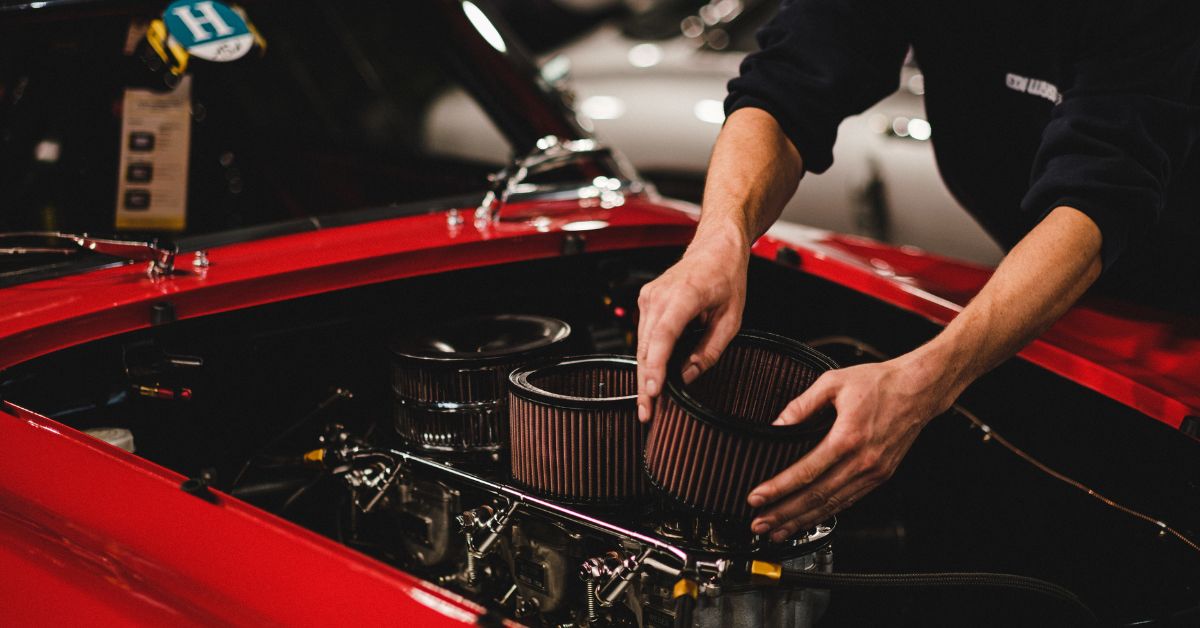
How to Repair Suspension of Car starts with finding worn shocks, struts, bushings, or ball joints and fixing them the right way.If your vehicle feels bouncy, pulls to one side, or makes clunking sounds over bumps, your suspension system is likely failing and needs attention now.
A good suspension keeps your tires on the road. It helps you steer safely. It also improves braking control. TheNational Highway Traffic Safety Administration (NHTSA) says worn suspension and steering parts can reduce stability and increase accident risk. The AAA Foundation reports that poor vehicle maintenance causes thousands of roadside problems every year, many linked to suspension and alignment faults.
In Dubai’s hot climate, extreme heat, sand, and rough roads can accelerate shock leaks and bushing cracks. This guide shows you how to inspect parts using jack stands, torque wrenches, and visual checks, then repair them correctly.
By reading this article, you will learn how to diagnose faults, avoid costly mistakes, and restore smooth, safe handling.
What Is Car Suspension and Why It Matters
A car suspension system is the group of parts that connects your vehicle’s body to its wheels. Its main job is to absorb road shocks, keep the tires in contact with the ground, and provide a smooth, stable ride. When the suspension works properly, your car feels balanced, comfortable, and easy to control. When it fails, driving becomes unsafe and uncomfortable.
How a Car Suspension System Works
The suspension system is made up of key components such as shocks, struts, springs, and control arms. Springs support the weight of the vehicle and help absorb bumps. Shocks and struts control how fast the springs move, preventing excessive bouncing. Control arms and bushings hold the wheels in position and allow smooth movement.
When you drive over potholes or uneven roads, these parts work together to absorb impact. They reduce vibration and keep the tires pressed firmly against the road. This constant tire contact is essential for stability, comfort, and safe handling.
How Suspension Affects Safety and Handling
A healthy suspension system plays a major role in road safety. It helps maintain proper braking distance by keeping the tires stable during sudden stops. It also improves steering control, especially when turning or driving at higher speeds. Worn suspension parts can cause pulling, drifting, or delayed response.
In addition, poor suspension leads to uneven tire wear. This shortens tire life and reduces grip. By keeping your suspension in good condition, you protect your tires, improve safety, and enjoy a smoother driving experience.
Common Signs Your Car Suspension Needs Repair
Your car suspension usually shows clear warning signs before serious damage happens. Paying attention to these symptoms can help you fix small problems early and avoid costly repairs. If your vehicle feels different while driving, it may be time to inspect the suspension system.
Bumpy Ride and Excessive Bouncing
A good suspension keeps your ride smooth. If your car feels rough on normal roads or keeps bouncing after a bump, the shocks or struts may be worn out. This makes driving uncomfortable and reduces control, especially at high speed.
Clunking, Knocking, or Squeaking Noises
Strange noises over speed bumps or potholes often mean loose or damaged parts. Worn bushings, ball joints, or sway bar links can cause clunking sounds. Squeaking may happen when rubber parts dry out or crack.
Car Pulling to One Side
If your car drifts left or right even when the steering wheel is straight, your suspension may be out of balance. Bent control arms, weak springs, or worn components can affect wheel alignment. This makes it harder to keep the car steady and increases driver fatigue.
Uneven or Rapid Tire Wear
Suspension problems often show up on your tires first. If you notice bald spots, cupping, or uneven edges, it may be caused by poor alignment or weak suspension parts. Ignoring this sign can lead to frequent tire replacement and reduced road grip.
Nose Diving or Rear Squatting
When braking, a faulty suspension may cause the front of the car to dip sharply. During acceleration, the rear may sink more than usual. These movements reduce control and affect braking performance.
Is It Safe to Drive With Suspension Problems?
If you notice many problems at once, loud noises, strong pulling, or loss of control, stop driving and get your suspension checked. Driving with serious damage can cause accidents and sudden part failure.
Short-Term vs Long-Term Risks
In the short term, worn suspension parts reduce comfort and stability. You may feel more vibration, poor steering response, or longer braking distance. Your tires may also lose proper road grip.
Over time, the risks become more serious. Weak shocks, damaged springs, or loose joints can affect wheel alignment and steering control. This increases the chance of skidding, losing balance in turns, or failing to stop in time. Long-term driving with suspension faults can also damage other parts, such as tires, bearings, and steering components.
Warning Signs That Require Immediate Repair
Some symptoms mean you should stop driving and seek repair quickly. These include loud knocking sounds, severe pulling to one side, leaking shocks, broken springs, or unstable steering. If your car feels unsafe or hard to control, do not delay repairs. Immediate action can prevent accidents and costly breakdowns.
Main Parts Involved in Suspension Repair
Understanding the main suspension parts helps you identify problems and choose the right repair method. Each component plays a key role in ride comfort, balance, and safety.
Shocks and Struts
Shocks and struts control how your car moves over bumps. They prevent excessive bouncing and keep the tires stable. When they wear out, the car may feel loose, bouncy, or unstable.
Coil Springs and Leaf Springs
Springs support the vehicle’s weight and absorb road impact. Coil springs are common in most modern cars. Leaf springs are usually found in trucks and some SUVs. Weak or broken springs cause sagging and uneven ride height.
Control Arms and Bushings
Control arms connect the wheels to the car frame. Bushings are rubber parts that reduce vibration and allow smooth movement. Worn bushings can cause noise, shaking, and poor alignment.
Ball Joints and Tie Rod Ends
Ball joints allow the suspension to move up and down. Tie rod ends connect the steering system to the wheels. If these parts become loose, steering may feel unstable and unsafe.
Sway Bar and Stabilizer Links
The sway bar reduces body roll when turning. Stabilizer links connect it to the suspension. Damaged links often cause clunking noises and poor cornering control.
Differences Between Front and Rear Suspension
Front suspension handles steering and most braking force. Rear suspension supports balance and comfort. Front parts usually wear faster. Rear components often last longer but still need regular inspection for safe driving.
How to Diagnose Suspension Problems Step by Step
Suspension issues can feel similar, but the cause is often different. A clear diagnosis saves time and money. Follow these steps in order. Start with simple checks before you lift the car. If you are not sure or you see serious damage, stop and get professional help.
Step 1: Visual Inspection Checklist
Park on a flat surface and use good lighting. Check ride height on all four corners. If one corner sits lower, a spring may be weak or broken. Look behind each wheel for oil leaks on shocks or struts. Check rubber bushings for cracks, splitting, or missing pieces. Inspect sway bar links for torn boots or loose fittings. Also look for bent control arms or fresh metal marks that suggest parts are rubbing.
Step 2: Bounce Test and What It Shows
Push down hard on one corner of the car and release. A healthy suspension should rise and settle quickly. If it bounces more than once or feels soft, the shock or strut may be worn. If the car feels stiff with a harsh rebound, parts may be seized or damaged. Do the test on both sides and compare.
Step 3: Tire and Wheel Condition Check
Look for uneven tire wear like bald edges, cupping, or patchy spots. These patterns can point to worn shocks, bad alignment, or loose joints. Check tire pressure and confirm all tires match the correct size. Inspect wheels for bends and check for missing wheel weights. Tire problems can feel like suspension problems, so rule them out early.
Step 4: Jack-Up and Play Test
Lift the car safely and support it with jack stands. Grab the tire at 12 and 6 o’clock and rock it. Movement may indicate a ball joint or wheel bearing issue. Grab at 3 and 9 o’clock and rock again. Play here can point to tie rod ends or steering parts. Spin the wheel and listen for grinding. Check for looseness in sway bar links and control arm bushings.
Step 5: Road Test and Noise Detection
Drive slowly on a quiet road. Listen for clunks over bumps, squeaks during turns, or rattles on rough surfaces. Note if the car pulls, wanders, or shakes at speed. Brake gently and feel for nose diving. These clues help you match the symptom to the faulty part.
Tools Needed for Proper Diagnosis
Use a flashlight, gloves, a tire pressure gauge, a jack and jack stands, a pry bar, and a torque wrench. A basic OBD scanner can help rule out related sensor warnings, but most suspension checks are visual and mechanical.
How to Repair Common Suspension Problems
Once you have identified the faulty part, the next step is safe and proper repair. Some suspension jobs are simple and can be done at home. Others require special tools and experience. Always work on a flat surface and use proper safety equipment before starting any repair.
Replacing Worn Shocks and Struts
Worn shocks and struts cause bouncing, poor handling, and uneven tire wear. Start by loosening the wheel nuts and lifting the car with a jack. Support it with jack stands. Remove the wheel. Unbolt the lower mounting bolts and the top mounting nuts. Carefully remove the old shock or strut.
Install the new unit in the same position. Tighten all bolts according to the manufacturer’s torque specifications. Refit the wheel and lower the car. After replacement, drive carefully and schedule a wheel alignment if needed.
Safety Tips When Removing Struts
Struts often hold the coil spring under high pressure. Never remove the top nut without using a proper spring compressor. A released spring can cause serious injury. Wear safety glasses and gloves. If you do not have a spring compressor, take the strut to a professional workshop for disassembly.
Changing Sway Bar Links and Bushings
Sway bar links and bushings reduce body roll and improve cornering. When worn, they cause clunking noises. Lift the car and remove the wheel. Spray penetrating oil on rusty bolts. Remove the old link or bushing brackets.
Install the new parts and tighten them firmly. Make sure rubber bushings are aligned correctly. Test drive the car to confirm that noises are gone.
Replacing Control Arms and Ball Joints
Control arms and ball joints keep the wheels properly positioned. If they are loose or damaged, steering becomes unsafe. Remove the wheel and disconnect the ball joint from the steering knuckle. Unbolt the control arm from the frame.
Install the new control arm or ball joint and tighten all fasteners to specification. Because this repair affects alignment, a professional wheel alignment is strongly recommended after installation.
Fixing Broken or Sagging Springs
Broken or weak springs cause uneven ride height and poor balance. Remove the strut or spring assembly from the car. Use a spring compressor to safely compress the coil spring. Replace the damaged spring with a new one of the same type and size.
Reassemble the unit carefully and reinstall it. Never mix old and new springs on the same axle, as this can affect stability.
Tightening or Replacing Loose Components
Loose bolts, worn mounts, or damaged brackets can create rattling and vibration. Check all suspension fasteners with a torque wrench. Tighten them to factory specifications. Replace cracked mounts, rusted bolts, or damaged brackets.
Small repairs like these can restore ride quality and prevent larger failures.
When Professional Tools Are Required
Some suspension repairs need special equipment such as hydraulic presses, advanced spring compressors, or alignment machines. Jobs involving pressed-in bushings, seized bolts, or complex multi-link systems are best handled by professionals. If a repair feels unsafe or unclear, seek expert help to avoid damage or injury.
Do You Need Wheel Alignment After Suspension Repair?
Wheel alignment is often required after suspension repairs because many parts affect how the wheels sit on the road. Proper alignment ensures that your tires point in the correct direction and stay evenly balanced. Skipping this step can undo the benefits of your repair.
When Alignment Is Mandatory
Alignment is necessary after replacing parts such as control arms, ball joints, struts, tie rods, or steering components. Any repair that changes wheel position or suspension angles requires adjustment. Even small changes can affect handling and tire wear.
Signs Your Alignment Is Off
If your car pulls to one side, the steering wheel feels crooked, or the tires start wearing unevenly, alignment may be incorrect. You may also notice vibration or poor straight-line stability. These signs often appear soon after repairs if alignment is skipped.
Risks of Skipping Alignment
Driving without proper alignment reduces tire life and fuel efficiency. It also affects steering response and braking control. Over time, misalignment can cause new suspension parts to wear out faster, leading to more repairs and higher costs.
Suspension Repair Cost and Time Estimates
Knowing the expected Suspension Repair cost and time helps you plan repairs and avoid surprises. Prices vary based on the type of repair, vehicle model, and parts used.
Cost by Repair Type
Shocks: Usually moderate in price, depending on brand and vehicle type.
Bushings: Often affordable, but labor may increase the total cost.
Control Arms: More expensive because they include multiple components.
Springs: Cost varies based on design and whether replacement is done in pairs.
Factors That Affect Repair Cost
Vehicle type plays a major role. Luxury and performance cars usually cost more to repair. Parts quality also matters. OEM parts are more expensive than aftermarket options. Labor hours depend on how complex the suspension system is and how easy parts are to access.
DIY vs Professional Repair Comparison
DIY repairs can save money on labor, but they require tools, space, and experience. Mistakes can lead to safety issues or repeat repairs. Professional service costs more but offers proper installation, alignment, and warranty support.
How to Maintain Your Suspension and Prevent Damage
Regular maintenance helps extend the life of your suspension system and reduces the risk of sudden failures. Simple checks and good driving habits can save money and improve safety over time.
Regular Inspection Schedule
Inspect your suspension every six months or every 10,000 to 15,000 kilometers. Check shocks, struts, bushings, and springs for leaks, cracks, or looseness. If you often drive on rough roads, inspect more frequently. Early detection prevents small issues from becoming major repairs.
Driving Habits That Reduce Wear
Avoid speeding over speed bumps, potholes, and uneven surfaces. Slow down on damaged roads and avoid carrying excessive weight. Sudden braking and aggressive cornering also increase stress on suspension parts. Smooth driving helps parts last longer.
Tire Rotation and Balancing Tips
Rotate your tires every 8,000 to 10,000 kilometers to ensure even wear. Balanced tires reduce vibration and strain on shocks and bearings. Always check tire pressure, as underinflated or overinflated tires increase suspension stress.
Early Warning Checks at Home
Listen for new noises. Notice changes in ride comfort. Watch for uneven tire wear. Perform simple bounce tests and visual inspections regularly. These quick checks can alert you to problems before they become serious.
Suspension Problems in Hot and Dusty Climates
Hot and dusty environments place extra stress on suspension systems. In regions like the UAE, extreme heat and sand can shorten the lifespan of many components.
How Heat Damages Bushings and Shocks
High temperatures dry out rubber bushings and seals. This causes cracking, hardening, and oil leaks in shocks and struts. Over time, parts lose flexibility and performance.
Impact of Sand and Rough Roads
Sand enters joints and bushings, increasing friction and wear. Rough roads and construction zones create repeated impacts that weaken springs and mounts. These conditions speed up suspension damage.
Extra Care Tips for UAE Drivers
Wash your car regularly to remove sand buildup. Inspect suspension parts more often. Replace worn components early. Use high-quality parts designed for hot climates to maintain safety and comfort.
Final Thought
Repairing your car’s suspension does not have to be confusing or stressful. By learning how to spot warning signs, diagnose problems correctly, and fix worn parts safely, you can restore smooth handling, improve braking control, and protect your tires from early wear. This guide has shown you the full process, from inspection and repair to alignment and long-term maintenance, so you can make confident decisions about your vehicle.
If you are unsure about any step or want professional support, our expert team at Caroto Repair Dubai is always ready to help. We use advanced tools, quality parts, and transparent service to keep your car safe and reliable on UAE roads. Contact us today to book an inspection and get trusted suspension repair you can rely on.
Frequently Asked Questions
Question: How Long Does Suspension Repair Take?
Answer: Most basic suspension repairs take between one and three hours. Replacing shocks, sway bar links, or bushings is usually quick. More complex jobs, such as control arm or spring replacement, may take half a day. The exact time depends on your vehicle type and the condition of the parts.
Question: Can I Repair Suspension Without a Lift?
Answer: Yes, some minor repairs can be done using a jack and jack stands. Simple jobs like changing sway bar links or tightening loose bolts are possible at home. However, major repairs often require a lift and special tools for safety and accuracy.
Question: Should I Replace Parts in Pairs?
Answer: In most cases, yes. Replacing parts like shocks, struts, or springs in pairs helps keep both sides balanced. This improves handling and prevents uneven wear. Replacing only one side may lead to poor stability.
Question: How Often Should Suspension Be Checked?
Answer: It is best to inspect your suspension every 10,000 to 15,000 kilometers or at least twice a year. You should also check it after hitting large potholes or noticing changes in ride quality.
Question: What Happens If I Ignore Suspension Issues?
Answer: Ignoring suspension problems can lead to poor steering, longer braking distance, uneven tire wear, and higher repair costs. In serious cases, it can increase accident risk and cause sudden part failure.