What Happens If Car Oil Is Not Changed?
Published
What happens if car oil is not changed? The oil gradually loses its ability to lubricate, clean, and protect the engine. Friction increases, contaminants build up, oil flow can become restricted, and the engine may run hotter. If neglected for long enough, the result can be accelerated internal wear, sludge formation, poor performance, and potentially serious engine damage. Engine oil does much more than simply make parts move smoothly. It protects bearings, pistons, camshafts, and other moving components operating under high temperatures and loads. That is why ignoring an overdue oil service can turn a routine maintenance issue into an expensive mechanical problem. For drivers in Dubai, keeping the lubrication system in good condition is especially important because engines regularly operate in high ambient temperatures and demanding traffic conditions. Engine oil starts working as soon as the engine runs. It creates a lubricating film between moving metal surfaces, helps carry heat away from components, suspends contaminants, and transports debris toward the oil filter. However, the oil does not remain in the same condition forever. Heat, combustion by-products, moisture, soot, microscopic metal particles, and normal engine operation gradually affect the oil and its additives. As the oil deteriorates, it becomes less effective at maintaining the protective layer the engine was designed to operate with. AAA notes that extended operation with deteriorated engine oil can contribute to overheating, increased component wear, dirt buildup and reduced fuel efficiency. The American Petroleum Institute also highlights sludge, varnish, deposits, oxidation and engine wear as important areas modern engine oils are specifically designed to protect against. Lubrication is one of engine oil's most important functions. Inside a running engine, components such as the crankshaft, bearings, camshafts, pistons and timing components move extremely quickly. A controlled oil film separates many of these surfaces and reduces direct friction. As the oil deteriorates, its ability to perform that job can decline. More friction means more heat and greater stress on internal components. The change may not be immediately noticeable from the driver's seat. Damage can accumulate gradually over thousands of engine revolutions. Eventually, worn surfaces may produce unusual ticking, tapping or knocking noises. In more serious cases, bearings, camshaft components or other internal parts can suffer permanent damage. This is one reason an overdue oil service should not simply be ignored because the vehicle still feels normal. Old oil does not simply disappear. During normal engine operation, it collects contaminants and combustion by-products. Oil additives are designed to keep many of those contaminants suspended so they can circulate safely and be captured by the filter. As oil remains in service and deteriorates, deposits can begin forming inside the engine. Thick sludge may collect around valve-train components, the oil pan and narrow lubrication passages. If deposits become severe enough, they can interfere with the movement of oil through the engine. API engine-oil standards specifically include requirements relating to sludge, varnish, piston deposits and wear protection, illustrating how important deposit control is to engine lubrication. Restricted oil flow is particularly dangerous because an engine may contain oil while certain components still receive inadequate lubrication. Your cooling system manages much of the engine's temperature, but engine oil also helps remove heat from internal areas. For example, oil circulates around bearings and other moving components where friction and combustion create significant heat. When the oil has deteriorated and lubrication becomes less effective, friction can increase. Extra friction produces additional heat while placing greater stress on engine parts. AAA explains that deteriorated oil becomes less capable of protecting the engine and can contribute to overheating. An overheating engine should never be treated as a minor inconvenience. Excessive temperature can affect seals, gaskets and precision-engineered metal components. If your temperature warning appears together with an oil warning, unusual engine noises or a burning smell, stop driving when it is safe to do so and have the vehicle inspected. An engine experiencing additional friction and contamination may have to work harder. The driver may notice that acceleration feels less responsive or the engine no longer operates as smoothly as expected. Fuel consumption can also increase in some cases because greater internal resistance means the engine must use more energy to produce the same output. These symptoms are not exclusive to engine oil problems. Fuel-system faults, ignition problems, transmission issues and many other mechanical conditions can produce similar changes. That is why diagnosis matters. If performance changes noticeably, professional inspection is more reliable than assuming fresh oil alone will solve the problem. The engine lubrication system relies on controlled oil flow. The oil pump draws oil from the sump and distributes it through passages to components requiring lubrication. The filter removes contaminants before they continue circulating. As contamination increases, the filter has more material to capture. Severe sludge and deposits can also interfere with small oil galleries. Restricted oil flow means some areas of the engine may receive less lubrication than intended. Caroto Repair Dubai's oil service includes checking oil condition, oil level, leaks and the appropriate lubricant specification before replacement. The service also includes filter replacement because clean oil and effective filtration work together as part of the lubrication system. Modern vehicles use sensors to monitor aspects of the lubrication system. If an oil-pressure warning light appears while driving, do not assume it is merely reminding you about routine maintenance. Low oil pressure can indicate that the engine is not receiving adequate lubrication. Possible causes include low oil level, an oil leak, an oil-pump problem, a blocked pickup, internal wear or another lubrication-system fault. Continuing to drive with confirmed low oil pressure can cause serious damage. If you are unsure whether the engine contains enough oil, Caroto's guide tochecking the car's oil level explains the basic dipstick procedure and when professional inspection may be needed. Remember that a correct oil level does not automatically mean oil pressure or oil condition is healthy. Yes, severe lubrication failure can eventually result in an engine seizure. An engine seizes when internal components can no longer move normally. One possible cause is extreme friction and heat resulting from inadequate lubrication. This is the severe end of oil neglect rather than something that happens immediately after missing routine maintenance. The progression is usually more gradual: the oil deteriorates, contamination increases, lubrication becomes less effective, wear accelerates, temperatures rise and internal components may begin suffering damage. If the situation continues long enough, repair costs can become substantial. Some severely damaged engines may require major internal repair, rebuilding or replacement. AAA similarly warns that long-term oil neglect can cause sludge, component damage and potentially major engine failure. One symptom alone does not prove that old oil caused engine damage, but several warning signs deserve attention. These signs should be investigated instead of relying on topping up the oil and continuing to drive. Some vehicles can also consume oil between services without leaving a visible puddle underneath them. A falling oil level therefore deserves investigation even when no external leak is obvious. Not always. If the oil is simply overdue but the engine remains healthy, replacing the old lubricant and filter may restore proper maintenance conditions. However, fresh oil cannot rebuild worn bearings, repair scored surfaces, restore damaged piston rings or reverse every consequence of severe sludge. This distinction is important. If an engine has gone a very long time without servicing, suddenly performing aggressive cleaning or flushing without first assessing its condition may also be inappropriate for some vehicles. A technician may need to inspect the oil, check pressure, look for sludge and listen for abnormal engine noise before recommending the correct service. For vehicles already showing mechanical symptoms, Caroto also providesengine repair and diagnostic support, including lubrication-system inspection and oil-condition assessment. Do not panic simply because you have passed a maintenance reminder. A short delay does not automatically mean the engine has suffered major damage. The condition depends on the vehicle, engine design, oil specification, mileage, driving environment and how far the maintenance has been delayed. The safest approach is to check the oil level, look for warning lights or unusual symptoms and arrange the required maintenance. Use the oil viscosity and specification approved by the vehicle manufacturer. API also advises vehicle owners to refer to the manufacturer's recommendations when selecting an appropriate engine-oil performance category. (American Petroleum Institute) If the oil-pressure warning is illuminated, the engine is knocking, the vehicle is overheating or the oil level is critically low, avoid continuing to drive until the cause has been checked. Dubai vehicles frequently operate in high temperatures, heavy traffic and extended periods of air-conditioning use. These conditions make proper engine maintenance particularly important. However, drivers should not assume every vehicle follows the same maintenance requirement. Engine design, manufacturer specifications, lubricant type and vehicle use all matter. The correct approach is to follow the maintenance schedule for your specific vehicle and use oil that meets the required viscosity and performance specification. Caroto Repair Dubai'scar oil change service in Dubai covers oil replacement, filter replacement, oil-condition inspection and checks for leaks or lubrication problems. So, what happens if car oil is not changed? The oil becomes progressively less capable of protecting the engine. Contamination and sludge can increase, lubrication can deteriorate, friction and heat may rise, and internal components can wear faster. The engine may continue running for some time, which can make oil neglect seem harmless. Unfortunately, internal wear does not always produce an immediate warning. Staying on top of manufacturer-recommended maintenance is considerably simpler than repairing damage caused by poor lubrication. If your car's oil is overdue, looks heavily contaminated, or you notice an oil warning or unusual engine noise, Caroto Repair Dubai can inspect the lubrication system and determine whether the vehicle needs routine maintenance or further diagnosis. Answer: Oil gradually loses its protective properties while collecting contaminants. The resulting deterioration can increase friction, deposits, sludge and engine wear. In severe cases, inadequate lubrication can cause major internal engine damage. Answer: Usually not. An engine can continue operating while its oil condition becomes progressively worse. That is why delaying maintenance can be deceptive: the car may appear normal while wear is developing internally. Answer: It can contribute to excessive engine temperature because degraded oil provides poorer lubrication and may be less effective at carrying heat away from moving components. However, overheating can also result from cooling-system faults and should be properly diagnosed. Answer: Yes. Contaminants and deposits can increase wear and interfere with lubrication. Severe sludge may also restrict oil flow through passages supplying critical engine components. Answer: It depends on the cause. If the noise is associated with poor lubrication and no permanent damage has occurred, proper servicing may help. If bearings, valve-train components or other parts are already worn, mechanical repair may still be required. Answer: No. Oil can darken as it carries contaminants and combustion by-products, so colour alone cannot determine its condition. Maintenance history, oil level, manufacturer requirements and mechanical symptoms should also be considered. Answer: Treat an oil-pressure warning seriously. Stop somewhere safe, switch off the engine and check the vehicle according to the owner's manual. If the level is low or the warning remains present, professional diagnosis is safer than continuing to drive.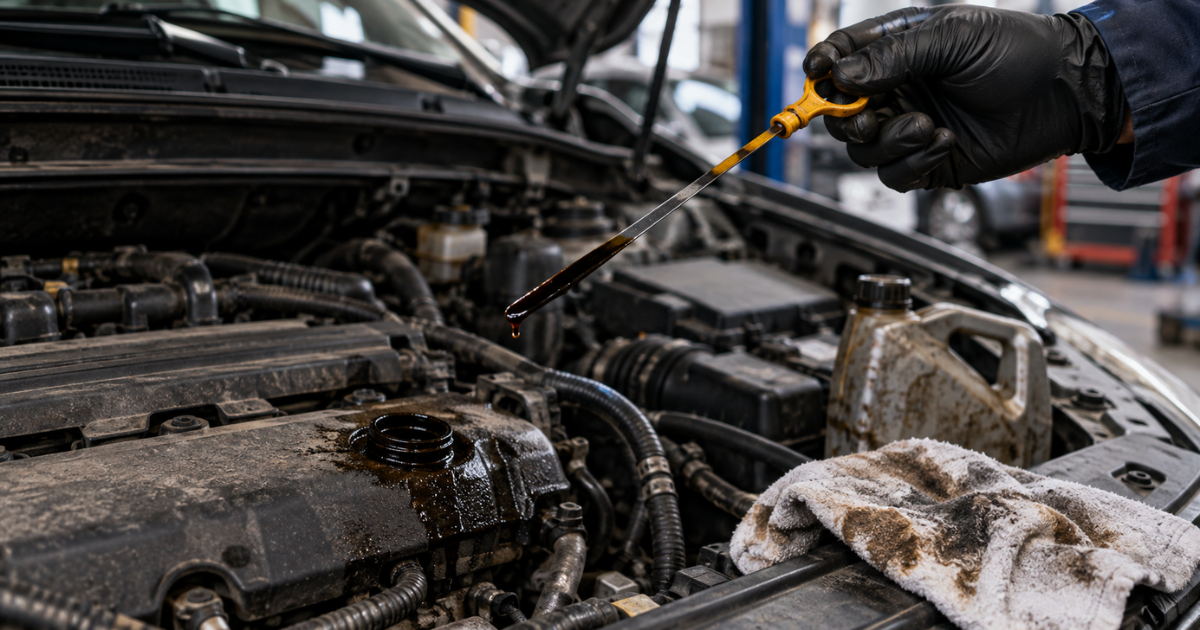
What Happens If Car Oil Is Not Changed Inside the Engine?
Old Oil Provides Less Effective Lubrication
Sludge and Deposits Can Build Up
The Engine Can Develop Excessive Friction and Heat
Engine Performance May Gradually Decline
Oil Passages and the Oil Filter Can Become Restricted
You May See an Oil Warning Light
Can an Engine Eventually Seize?
Warning Signs That Oil Neglect May Be Affecting the Engine
Does Fresh Oil Reverse Damage From Neglect?
What Should You Do If Your Oil Service Is Overdue?
Why Oil Condition Matters for Cars in Dubai
Protect Your Engine Before Oil Neglect Becomes Engine Damage
Frequently Asked Questions
Q1. What happens if car oil is not changed for a long time?
Q2. Will a car stop immediately if the oil is not changed?
Q3. Can old engine oil cause overheating?
Q4. Can dirty oil damage an engine?
Q5. Will changing the oil fix engine noise?
Q6. Is black engine oil always bad?
Q7. What should I do if the oil-pressure warning light comes on?