What Is a Transmission Problem in a Car?
Published
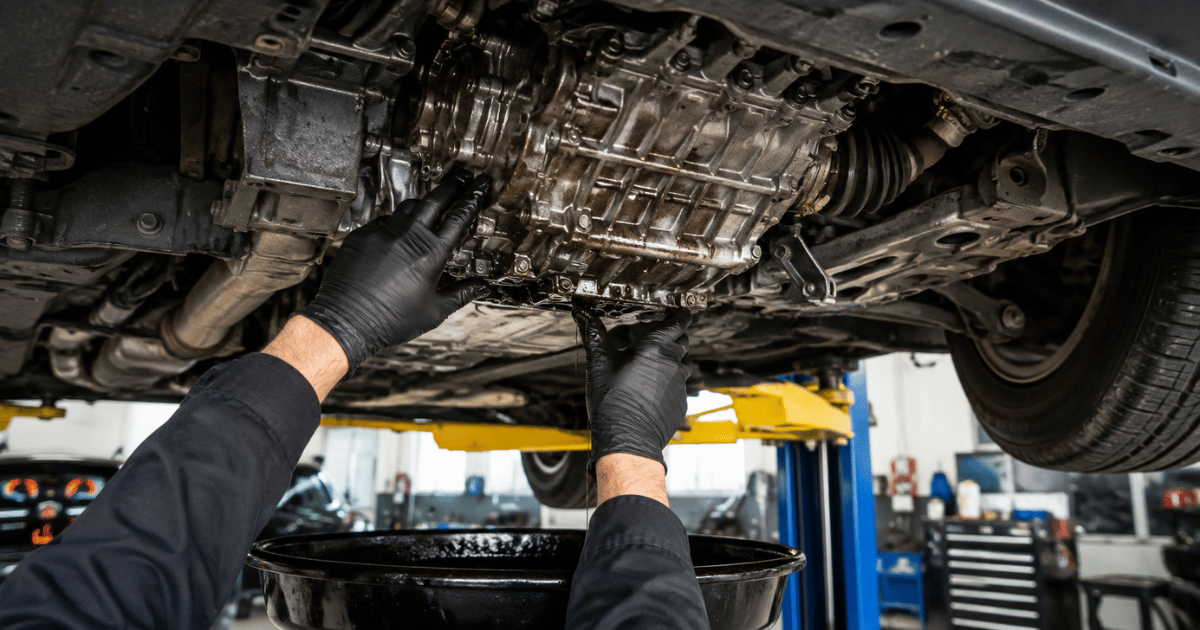
A transmission problem occurs when your car cannot transfer engine power to the wheels correctly. Problems may affect gear changes, acceleration, engagement, fluid pressure, or overall power delivery. Common signs include slipping gears, jerking, delayed shifting, unusual noises, fluid leaks, and warning lights. Some faults are relatively minor, while others can cause serious gearbox damage. Proper diagnosis is important because several engine and drivetrain faults can produce similar symptoms.
At Caroto Repair Dubai, we inspect the transmission before deciding which repair a vehicle actually needs. A shifting problem does not automatically mean the complete gearbox has failed. Fluid condition, sensors, electronic controls, clutches, seals, or internal components may be responsible. Dubai's demanding driving conditions can also place additional heat stress on drivetrain components. Our approach focuses on identifying the fault before recommending repair, servicing, or replacement.
In this blog, you will understand transmission problems, warning signs, common causes, driving risks, diagnosis, and when professional inspection becomes necessary.
What Does a Car Transmission Do?
The transmission manages how power from the engine reaches the wheels. It changes gear ratios as vehicle speed and driving conditions change. Lower ratios provide useful torque when starting or accelerating. Higher ratios allow efficient cruising without excessive engine speed. Different transmission designs achieve this process in different ways.
Automatic transmissions change gears with limited driver input during normal driving. Manual transmissions require the driver to select gears using a clutch. Other vehicles may use CVT or dual-clutch transmission designs. Each system contains different components and operating characteristics. Therefore, the same symptom can have different causes between vehicles.
A transmission problem begins when something interrupts this controlled transfer of power. The issue may involve mechanical components, lubrication, hydraulic pressure, electronics, or connected drivetrain parts.ZF Aftermarket identifies poor fluid condition and low fluid as possible causes of shifting problems. It also notes symptoms such as sluggish shifting, slipping, grinding, and delayed engagement.
What Are the Signs of Transmission Problems?
Transmission problems rarely produce exactly the same symptoms in every vehicle. Some begin with small changes that drivers may overlook. Others appear suddenly and make normal driving difficult. Knowing how the vehicle usually shifts makes changes easier to identify. These are several important symptoms worth checking.
1. Delayed Gear Engagement
Delayed engagement happens when Drive or Reverse takes longer than normal to respond. You may select a gear but feel a noticeable pause. Low transmission fluid can reduce the pressure required for engagement. ZF specifically identifies delayed Drive or Reverse engagement with insufficient fluid. Repeated delays should not be treated as normal behaviour.
2. Transmission Slipping
Slipping often causes engine speed to rise without matching acceleration. The vehicle may feel weak even while engine revolutions increase. A gear may also seem unable to remain engaged correctly. Low or contaminated fluid can contribute to slipping in some transmissions. Internal wear can create similar symptoms and requires diagnosis.
3. Jerking or Harsh Gear Changes
Normal gear changes should usually feel predictable for that vehicle. Transmission trouble can create sudden jolts, kicks, or unusually hard shifts. Fluid contamination may change how smoothly certain automatic transmissions operate. Pressure, electronic, or internal mechanical faults can also affect shifts. ZF lists slow or jerky shifting among symptoms requiring gearbox attention.
4. Grinding, Whining, or Other Noises
New noises during gear changes need proper inspection rather than a guess from sound alone. Grinding can indicate different problems in manual and automatic systems. Whining or rattling can also originate outside the gearbox. Pay attention to when the noise begins and disappears. That information can help a technician reproduce the problem during diagnosis.
5. Transmission Fluid Leaks
Many transmissions rely on fluid for lubrication, cooling, and hydraulic functions. A leak can gradually reduce the available fluid quantity. Low fluid can then affect shifting and internal protection. The leaking point may involve seals, gaskets, lines, or other components. Repeated topping up does not repair the source of a leak.
6. Weak or Unusual Acceleration
Transmission trouble can make acceleration feel different from normal engine response. The engine may rev while road speed increases slowly. Some drivers may mistake this symptom for an engine problem. Transmission slipping is one possible explanation, but not the only one. Inspection should confirm whether the problem comes from the drivetrain or engine.
7. Transmission Warning Messages
Modern vehicles can detect faults through sensors and electronic control systems. A dashboard warning may appear when the system records an abnormal condition. Some vehicles also display warnings for excessive transmission temperature. The meaning and required action differ between manufacturers. Follow your owner's manual when a transmission warning appears.
What Causes Transmission Problems in a Car?
There is no single cause behind every transmission problem. Low fluid can affect pressure and lubrication in compatible transmission designs. Old or contaminated fluid can also change shifting behaviour. Internal clutches, bearings, seals, synchronizers, or gears may eventually wear. Electronic sensors and control components create another possible fault category.
Using unsuitable transmission fluid can also create serious problems. Modern gearboxes can require very specific fluid characteristics. ZF warns that incorrect oils can harm shifting behaviour and transmission operation. Fluid quantity also matters because overfilling and underfilling can cause damage. Manufacturer specifications should always determine the correct product and filling procedure.
Driving behaviour can place extra stress on transmission components. Changing between Drive and Reverse before stopping can be harmful. Heavy loads can also increase drivetrain temperature and operating stress. Existing problems often become easier to notice under demanding conditions. However, driving style alone should not be blamed without diagnosis.
Can Dubai Heat Affect Transmission Performance?
Dubai's climate makes temperature management especially relevant for vehicle maintenance. Transmission fluid performs important lubrication and cooling functions inside many automatic gearboxes. Fluid can deteriorate as it experiences heat, age, and operating stress. Heavy traffic can also keep drivetrain components working during prolonged low-speed journeys. These conditions make correct servicing and fluid selection particularly important.
This does not mean every Dubai vehicle needs the same transmission interval. Manufacturers use different gearbox designs, fluids, and maintenance schedules. Vehicle age and usage patterns can also affect servicing requirements. Follow the schedule designed for your exact vehicle. Have unusual shifting inspected instead of waiting for a fixed mileage figure.
Is Low Transmission Fluid Always the Problem?
No. Low transmission fluid is only one possible reason for poor shifting. Normal fluid quantity does not rule out an electronic or mechanical fault. Sensors, clutches, pressure-control components, or internal wear may create similar symptoms. Some modern gearboxes also require specific procedures for checking fluid quantity. Guessing from one symptom can lead to the wrong repair.
Avoid adding transmission fluid without confirming the correct specification and procedure. Some gearboxes do not provide a conventional driver-accessible dipstick. Fluid temperature can also matter during professional level checks. Using the wrong fluid may worsen transmission performance. If the procedure is unclear, professional inspection is safer than experimentation.
Can You Drive With a Transmission Problem?
That depends on the severity and exact symptom. A small change in shift quality still deserves timely inspection. Strong slipping or repeated grinding can indicate a more serious fault. Loss of Drive or Reverse can make the vehicle unsafe to operate. A major fluid leak also requires immediate attention.
Stop driving when the car cannot deliver power reliably. The same applies when severe noises or overheating warnings appear. Continuing may increase damage to already stressed components. Move to a safe location when the vehicle behaves unpredictably. Arrange recovery when driving the vehicle safely is no longer possible.
How Is a Transmission Problem Diagnosed?
Diagnosis should begin with the symptoms rather than immediate gearbox replacement. A technician may inspect leaks, fluid condition, warning messages, and visible drivetrain components. The vehicle may also need a controlled road test. The test helps reproduce delayed shifts, slipping, vibration, or harsh engagement. These observations narrow the list of possible causes.
Modern vehicles also store diagnostic information when control systems detect certain faults. Professional car computer diagnostics in Dubai can help identify relevant fault codes. However, a fault code should be interpreted alongside physical symptoms and testing. It does not always identify the failed part directly. Mechanical inspection remains important when drivetrain symptoms are present.
A proper diagnosis also checks whether the transmission is truly responsible. Engine performance faults can sometimes feel like poor transmission response. Mounts, electrical components, or other drivetrain systems may create similar complaints. Broader general car repair in Dubai may therefore involve checking connected systems. This prevents an expensive gearbox repair when another component caused the symptom.
Does Every Transmission Problem Need a New Gearbox?
No. A transmission problem does not automatically mean complete replacement. Some faults involve fluid, seals, sensors, solenoids, clutches, or other serviceable components. Other problems may require more extensive internal repair. Replacement becomes appropriate only in certain conditions and damage levels. Diagnosis should determine which option fits the actual fault.
This distinction matters because transmission replacement can be a major repair. Replacing an entire unit without confirming the cause creates unnecessary expense. Likewise, repeatedly servicing fluid cannot repair serious mechanical damage. The correct solution depends on test results and component condition. Evidence should guide the repair decision.
How Can You Reduce Transmission Problems?
Start by following the maintenance instructions supplied for your vehicle. Use the transmission fluid specification approved for your exact gearbox. Address fluid leaks before the level becomes dangerously low. Pay attention when normal shift behaviour changes. Small symptoms can provide useful warning before larger failures develop.
Avoid forcing the gearbox when engagement becomes unreliable. Do not repeatedly ignore warning messages or overheating conditions. Let a technician investigate recurring jerking, slipping, delays, or unusual noises. Preventive inspection cannot guarantee that a transmission will never fail. It can help identify developing issues before they become more complicated.
Transmission Repair at Caroto Repair Dubai
Transmission symptoms can have several possible causes, so correct diagnosis comes first. We providegearbox and transmission repair in Dubai for automatic and manual vehicles. Our service includes transmission diagnostics, fluid-related work, repairs, and gearbox inspection. Our recommendations depend on the vehicle's symptoms and inspection findings. This helps separate smaller service issues from significant internal faults.
If your car slips, jerks, leaks fluid, or delays gear engagement, arrange an inspection with us. New noises or transmission warnings also deserve attention. Do not wait until the vehicle completely loses drive. Early diagnosis can identify mechanical, electronic, fluid, or related drivetrain problems. The correct repair starts with finding the actual cause.
Frequently Asked Questions
Q1. What is the first sign of a transmission problem?
Answer: There is no single first symptom for every vehicle. Early signs can include delayed shifting, jerking, slipping, noises, or unusual acceleration. You may also notice a warning message. Any clear change from normal transmission behaviour deserves attention.
Q2. What does a slipping transmission feel like?
Answer: The engine may rev higher without matching vehicle acceleration. The car can feel like power is not reaching the wheels properly. Gear engagement may also feel inconsistent. Fluid or mechanical problems can cause these symptoms.
Q3. Can low transmission fluid cause jerking?
Answer: Yes, insufficient fluid can contribute to poor shifting in some automatic transmissions. However, jerking does not confirm low fluid by itself. Electronic and mechanical faults can create similar behaviour. The transmission should be inspected before adding fluid blindly.
Q4. Can a transmission problem affect acceleration?
Answer: Yes. A slipping transmission may prevent engine power from reaching the wheels efficiently. Engine speed can increase while acceleration remains weak. However, engine faults can create similar symptoms. Diagnosis is needed to separate the causes.
Q5. Is a transmission problem expensive to fix?
Answer: Repair cost depends on the fault, transmission type, vehicle, and required parts. A leak or service issue differs greatly from internal damage. Complete gearbox replacement is not required for every problem. Accurate diagnosis should come before estimating the repair.