What Is Cabin Air Filter Replacement - Full Guide
Published
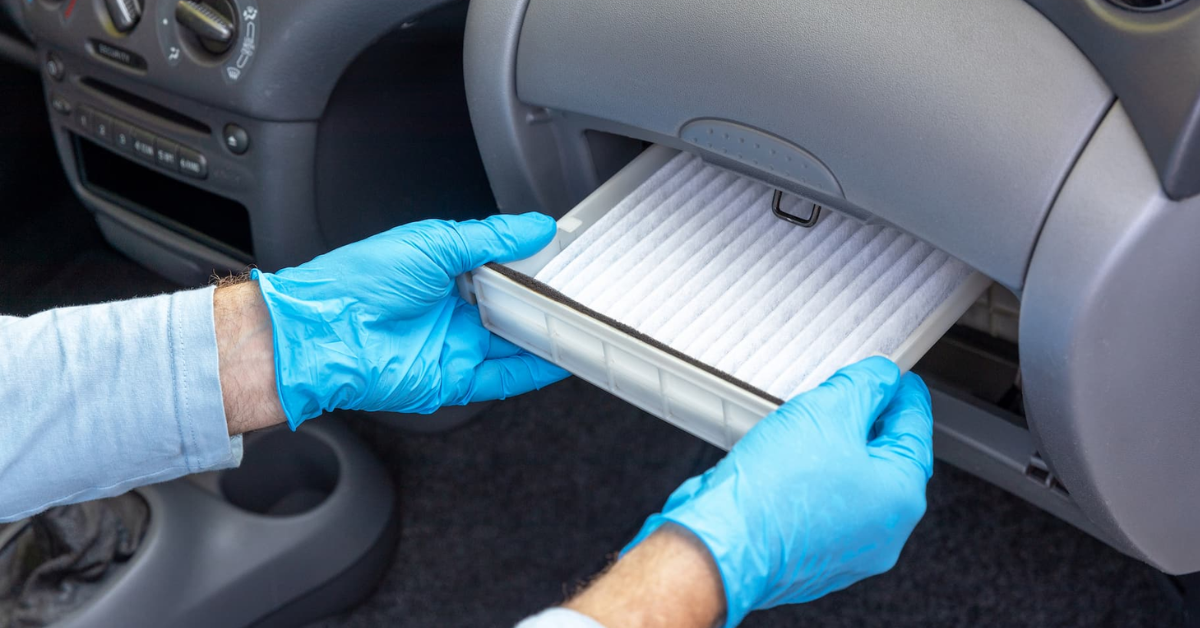
Cabin air filter replacement is the process of removing your old, clogged filter and installing a fresh one. It helps to clean the air entering your vehicle's interior. This simple 10-15 minute task dramatically improves air quality, and even protects your respiratory health from Dubai's traffic pollution and desert dust.
Most ones just ignore this filter malfunctioning until getting the weak airflow from the car vents. However, regular cabin filter replacement every 10,000-15,000 km prevents expensive HVAC repairs and reduces fuel consumption.
At Caroto Repair Dubai, we've replaced thousands of cabin air filters across every make and model on Jumeirah roads. Our technicians don't just swap filters. We thoroughly vacuum housings, inspect your entire AC system, and recommend the best filter type for Dubai's unique climate.
What Is a Cabin Air Filter?
A cabin air filter is a rectangular pleated filter that cleans air entering your vehicle's cabin through the HVAC system. It sits behind your glove box or under the dashboard, trapping dust, pollen, exhaust fumes, and microscopic particles before they reach you.
Think of it as your car's lungs. Every time you turn on the AC or heater, air passes through this filter first. Without it, you'd breathe unfiltered Dubai traffic pollution directly into your lungs. Construction dust and desert sand particles would flow straight through your vents.
Modern car cabin air filters feature multiple layers for maximum protection. A pre-filter catches large debris like leaves and insects. Meanwhile, finer layers trap allergens and bacteria that directly affect your respiratory health while driving.
Types of Cabin Air Filters
Not all cabin air filters are created equal. Each type offers different filtration levels and protection for your car's ventilation system.
Standard Particulate Filter - The basic option that traps dust, pollen, and larger particles but doesn't filter odors or gases from traffic exhaust.
Activated Carbon Filter - Contains charcoal layers that absorb unpleasant smells, diesel fumes, and harmful gases alongside standard particle filtration.
HEPA Cabin Air Filter - Hospital-grade filtration that captures 99.97% of particles down to 0.3 microns, including bacteria, viruses, and ultra-fine pollution.
Electrostatic Filter - Uses static electricity to attract and trap particles, offering better filtration than standard filters without restricting airflow.
OEM vs Aftermarket Cabin Air Filter - Original equipment manufacturer filters are vehicle-specific and guaranteed fit, while aftermarket options offer budget-friendly alternatives with varying quality levels.
Signs Your Cabin Air Filter Needs Replacement
Your car tells you exactly when cabin air filter replacement is overdue. These dirty cabin air filter symptoms appear long before your AC system completely fails.
Weak airflow from car vents - Air barely comes out even when you crank the fan to maximum speed
Bad smell from car AC - Musty, moldy odor hits you the moment you turn on the air conditioning
Whistling or unusual noises - Strange sounds coming from behind the dashboard when the HVAC system runs
Foggy windows inside car - Windshield fogs up quickly and stays foggy despite running the defroster
Dust coming from AC vents - Visible particles blow out onto your dashboard when you switch on the air
Car AC not cooling properly - Temperature feels warmer than usual even with AC on full blast
Increased allergies while driving - You're sneezing, coughing, or experiencing watery eyes only inside your vehicle
Visible dirt on filter - When you pull it out, the filter looks black, brown, or packed with debris instead of white
How to Replace a Cabin Air Filter (Step-by-Step Guide)
Step 1: Locate Your Cabin Air Filter
First, you need to find where your cabin air filter lives in your specific vehicle. Most cars hide it behind the glove box, though some models place it under the dashboard or beneath the hood. Check your owner's manual for the exact cabin air filter location. Once located, open your glove box and empty everything out to prevent items from falling during removal.
Step 2: Remove the Glove Box
Now it's time to access the filter housing. Look for plastic tabs or clips on both sides of the glove box that limit its movement. Gently squeeze the sides inward while pulling toward you. It should swing down freely. Some vehicles use small screws instead, so keep a screwdriver handy. Once removed, you'll see a rectangular plastic cover directly behind it.
Step 3: Open the Filter Housing
You'll notice a plastic access door covering the cabin filter compartment. This door typically has tabs you squeeze together, or it slides straight out. Pay attention to cabin air filter airflow direction arrows printed on the housing for later installation. Pull the old filter straight out carefully, avoiding spilling accumulated dirt into the HVAC system below.
Step 4: Clean the Filter Housing
Before installing your new filter, vacuum out the housing compartment using a handheld vacuum. Remove loose dust, leaves, and debris that accumulated inside. Additionally, wipe down the rubber seals with a damp cloth. This quick step significantly improves your vehicle air quality and prevents the blower motor from working overtime due to restricted airflow.
Step 5: Install the New Cabin Air Filter
Unpack your new cabin air filter and check for directional arrows on the frame. These indicate proper cabin air filter airflow direction. The arrows must point toward the dashboard, showing airflow from outside into your cabin. Slide the filter in carefully, ensuring it sits flush without gaps. If it doesn't slide smoothly, you're probably inserting it backward.
Step 6: Reinstall the Glove Box and Test
Finally, lift the glove box back into position by reversing the removal process. Align the hinges and push upward until the stops click into place. Start your engine and turn the AC to maximum fan speed. The airflow should feel noticeably stronger, and the air should smell fresh instead of musty, confirming your cabin air filter replacement was successful.
How a Malfunctioning Cabin Air Filter Affects AC Performance
A clogged cabin air filter directly impacts your car AC efficiency and puts unnecessary strain on your entire HVAC system maintenance.
AC performance issues caused by dirty filters:
Reduced Cooling Efficiency - Your car AC not cooling properly because restricted airflow prevents cold air from reaching the cabin, forcing the compressor to work harder and consume more fuel.
Increased Blower Motor Strain - The blower motor struggles to push air through the blocked filter, leading to premature motor failure and expensive repairs that could've been avoided with simple cabin air filter service.
Higher Fuel Consumption - Your AC system draws more power trying to compensate for poor airflow from car vents, which directly increases fuel consumption by 5-10% during summer months in Dubai's heat.
Uneven Temperature Distribution - Some vents blow cold while others stay warm because the clogged cabin air filter creates inconsistent air pressure throughout your car's ventilation system and dashboard vents.
Compressor Overheating - Extended strain from fighting restricted airflow causes AC compressor overheating, potentially leading to complete system failure requiring AED 2,000-4,000 in car AC maintenance repairs.
How Often Do I Need to Change My Cabin Air Filter?
Replace cabin air filter every 15,000-25,000 km or once per year, whichever comes first. However, Dubai's dusty environment, heavy traffic pollution, and desert sand exposure require more frequent cabin filter replacement every 10,000-15,000 km.
Your driving conditions determine the actual replacement interval. For instance, daily commutes through construction zones or unpaved areas accelerate filter clogging significantly. Similarly, drivers who use recirculation mode frequently extend filter life slightly compared to those running fresh air constantly. Therefore, inspect your filter every 5,000 km during routine oil changes.
How to Choose the Right Cabin Air Filter?
Choosing the right cabin air filter depends on your health needs, driving environment, and budget. The wrong filter compromises air quality inside car and wastes money on premature replacements.
Factor 1: Filter Material and Filtration Level
Standard particulate filters work fine for basic dust and pollen removal if you don't have allergies. However, activated carbon filters are essential for Dubai drivers dealing with traffic exhaust and diesel fumes daily. Meanwhile, HEPA cabin air filters provide hospital-grade protection, capturing 99.97% of particles including bacteria and viruses. If you have asthma or severe allergies, invest in HEPA filtration despite the higher cost.
Factor 2: OEM vs Aftermarket Quality
OEM cabin air filters guarantee perfect fit and meet manufacturer specifications, though they cost 30-50% more than aftermarket options. Quality aftermarket brands like Mann, Bosch, or Fram offer comparable filtration at lower prices. Avoid ultra-cheap filters from unknown brands. They often have poor pleating and weak frames that fail within 5,000 km.
Factor 3: Carbon vs Non-Carbon Options
Carbon cabin air filters contain activated charcoal layers that absorb odors, harmful gases, and VOCs from traffic pollution. They cost AED 20-40 more than standard filters but dramatically improve clean air inside the car. If you frequently drive in heavy traffic or near construction zones, carbon filtration is worth every dirham.
Factor 4: Dubai Climate Considerations
Dubai's extreme dust, sand storms, and year-round AC usage demand robust cabin air filter construction. Look for filters with reinforced frames that won't collapse under constant high airflow pressure. Choose filters rated for high-temperature environments above 50°C since standard filters deteriorate faster in our heat.
Common Mistakes During Cabin Air Filter Replacement
Even simple cabin air filter replacement goes wrong when you skip basic steps. These common errors reduce filtration efficiency, damage your HVAC system, and waste money on premature filter failure.
Installing Filter Backward
Most DIYers ignore cabin air filter airflow direction arrows, installing filters upside-down or reversed, which pushes dirt deeper into pleats instead of trapping it. Always check the arrows printed on the filter frame. They must point toward the dashboard, not the engine bay.
Forgetting to Remove Plastic Wrapping
Many people install filters with protective plastic still attached, completely blocking airflow and wondering why their car AC not cooling properly afterward. Inspect the filter carefully and peel off all packaging, tape, and protective films before installation.
Not Cleaning the Housing First
People rush to install the new filter without vacuuming out leaves, dead insects, and accumulated dust in the housing compartment first. Vacuum out the housing thoroughly and wipe rubber seals before sliding in the new filter.
Forcing Wrong-Sized Filters
Buyers grab cheap filters without verifying fitment, then force them into place, creating gaps that allow unfiltered dust and pollen inside car to bypass completely. Verify part numbers match your vehicle's year, make, and model exactly before purchasing any cabin air filter.
Breaking Glove Box Clips
Rushing removal by yanking the glove box instead of squeezing side clips properly breaks plastic tabs that cost AED 50-100 to replace. Locate and squeeze both side clips gently while pulling.
Cabin Air Filter Replacement Cost
Cabin air filter replacement cost ranges from AED 80-300 depending on filter type and where you go. Basic filters cost AED 80-120, carbon cabin air filters run AED 150-200, while HEPA cabin air filters hit AED 200-300 for premium filtration.
Here's what affects your total cost. Professional cabin air filter service adds AED 50-100 labor, though you can skip this by doing it yourself in 10-15 minutes. OEM filters from dealerships cost 40-60% more than quality aftermarket brands like Bosch or Mann that work just as well. Additionally, luxury vehicles use larger filters that cost more.
DIY vs Professional Cabin Air Filter Replacement
DIY cabin air filter replacement saves AED 50-100 in labor and takes just 10-15 minutes for most vehicles. However, professional service ensures correct installation, proper housing cleaning, and expert inspection of your entire HVAC system maintenance for hidden issues you might miss.
In Closing
Your cabin air filter protects you from Dubai's dust, pollution, and allergens every time you drive. Replacing cabin air filter every 10,000-15,000 km keeps your AC efficient, prevents costly repairs, and ensures clean air for everyone in your vehicle. Never ignore dirty cabin air filter symptoms like weak airflow or musty smells, they signal deeper HVAC problems ahead.
Need expert cabin air filter replacement in Dubai? Visit Caroto Repair Dubai in Jumeirah today. Our certified technicians will inspect your entire HVAC system, recommend the best filter for your vehicle, and have you breathing fresh, clean air in just minutes for guaranteed quality at transparent prices.
Frequently Asked Questions
Question: Can I Drive Without A Cabin Air Filter?
Answer: Yes, your car runs fine without a cabin air filter, but you'll breathe unfiltered dust, pollen, and exhaust fumes directly. Your AC system also works harder, reducing efficiency and potentially damaging the blower motor over time.
Question: How Do I Know If My Cabin Air Filter Is Dirty?
Answer: Pull out the filter and hold it up to light, if you can't see through it or it looks black/brown instead of white, it needs replacement. Additionally, weak airflow and musty smells are clear indicators your filter is clogged.