What Is Car Suspension and Why It Matters
Published
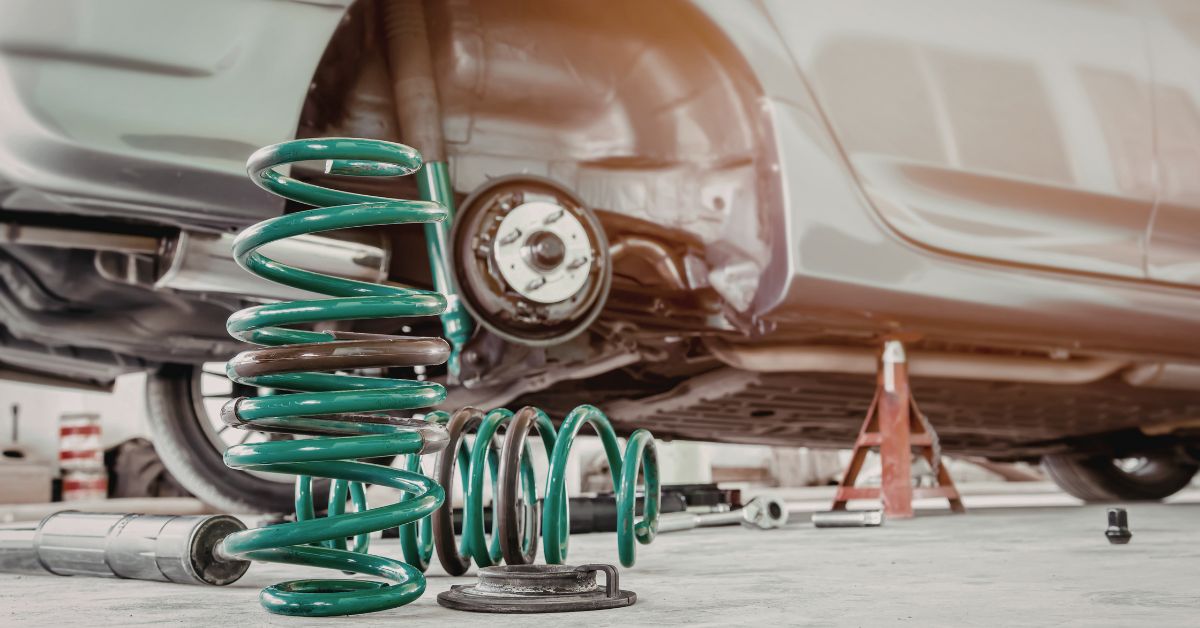
What is car suspension and why it matters? Car suspension is a system of components, including springs, shock absorbers, struts, and linkages, that connects your vehicle’s body to its wheels and keeps it stable on the road.
In simple terms, it controls how your car handles bumps, corners, and braking. It also protects your tires, steering system, and chassis from damage. If your ride feels rough, unstable, or noisy, your suspension may already be wearing out. This is especially important in Dubai, where extreme heat, high speeds, and uneven roads put extra stress on suspension parts.
According to the National Highway Traffic Safety Administration, worn suspension components can reduce vehicle control and increase crash risk. Automotive engineers at SAE International explain that modern systems such as MacPherson struts and multi-link suspension are designed to balance comfort, safety, and road grip.
In this article, you will learn how car suspension works, why it matters for safety and comfort, and how to spot early warning signs. You will also discover simple checks and smart maintenance tips to avoid costly repairs and drive with confidence.
What Is Car Suspension?
Suspension acts like a cushion between the road and your vehicle. When your tires hit bumps, potholes, or uneven surfaces, the suspension absorbs and controls that force. This keeps the cabin more comfortable and helps your car stay stable. It also allows each wheel to move independently while keeping the main body balanced and secure.
Without a proper car suspension system, every small bump would shake the entire vehicle, making driving uncomfortable and unsafe.
What Problems Suspension Is Designed to Solve
The suspension system is designed to solve three major driving problems.
First, it reduces road shocks. Springs and shock absorbers soften the impact from rough roads and speed bumps, protecting both passengers and vehicle parts.
Second, it improves vehicle balance. Suspension controls body roll, nose-diving during braking, and swaying while turning, helping the car stay steady.
Third, it maintains tire contact. By keeping all four tires firmly on the road, suspension improves grip, steering response, and braking performance, which is essential for safe driving.
How Does a Car Suspension System Work?
A car suspension system works by absorbing and controlling the energy created when your tires hit the road. Every time you drive over a bump, pothole, or uneven surface, the system immediately reacts to keep the vehicle stable.
First, the impact from the road travels through the wheel into the suspension components. The force moves upward from the tire to the spring.
Next, the spring compresses. Whether it is a coil spring, leaf spring, or torsion bar, its job is to absorb the vertical movement and prevent the force from transferring directly to the car’s body.
Then, the shock absorber or strut controls that motion. This is called damping. Without damping, the spring would continue bouncing up and down. The shock absorber slows and stabilizes the movement by converting kinetic energy into heat.
Finally, the system maintains stability control. Control arms, bushings, and linkages guide wheel movement so the tire remains aligned and connected to the road surface.
How Suspension Supports Steering and Braking
Suspension plays a critical role in weight transfer. When you accelerate, brake, or turn, your vehicle’s weight shifts. A healthy car suspension system manages this shift smoothly.
During cornering, it reduces excessive body roll and keeps tires firmly planted, improving road grip. In emergency braking, it limits nose-diving and maintains wheel contact. This helps shorten stopping distance and improves steering control, making your car safer and more predictable to drive.
Main Parts of a Car Suspension System and Their Functions
A car suspension system is made up of several key components that work together to support weight, absorb impact, and maintain control. Each part has a specific function, and when one fails, overall stability and ride quality suffer.
Springs and Load Support Components
Springs are responsible for supporting the vehicle’s weight and absorbing road impact.
Coil springs are the most common type in modern passenger cars. They compress and expand as the wheel moves, helping maintain ride height and comfort.
Leaf springs are typically used in trucks and heavy vehicles. Made of layered metal strips, they handle heavier loads and provide strong rear axle support.
Torsion bars work by twisting rather than compressing. They offer adjustable ride height and are used in certain SUVs and off-road vehicles.
All spring types help control vertical motion and keep the vehicle balanced under load.
Shock Absorbers and Struts
Shock absorbers and struts control motion after the spring compresses.
A shock absorber is a separate component that reduces bouncing by slowing spring movement. It converts kinetic energy into heat through hydraulic resistance. This process is known as damping.
A strut combines a shock absorber with structural support. It is part of the steering and suspension geometry, often found in MacPherson strut systems.
Without proper damping, your vehicle would continue to bounce after every bump, reducing control and tire grip.
Control Arms, Bushings, and Joints
Control arms connect the suspension to the vehicle frame and guide wheel movement.
Ball joints act like pivot points, allowing controlled motion while steering.
Rubber bushings reduce vibration and noise by cushioning metal connections.
Types of Car Suspension Systems Explained
Car manufacturers use different suspension designs based on vehicle type, driving conditions, and performance goals. Each system offers a balance between comfort, control, durability, and cost.
Independent Suspension Systems
Independent suspension system allows each wheel to move separately, improving comfort and handling.
The MacPherson strut system is the most common design in modern cars. It is compact, lightweight, and cost-effective, making it popular in sedans and compact vehicles.
The double wishbone system uses two control arms for better wheel control. It delivers improved cornering stability and is often found in sports cars and premium vehicles.
The multi-link system uses multiple arms to manage wheel movement precisely. It provides excellent ride quality and is commonly used in luxury and high-performance models.
Dependent and Semi-Independent Systems
In dependent suspension, both wheels are connected and move together.
A solid axle is strong and durable, making it ideal for trucks and off-road vehicles. However, it offers less comfort on uneven roads.
A torsion beam is a semi-independent system commonly used in small cars. It is lightweight, affordable, and requires minimal space, though it provides limited flexibility compared to independent systems.
Air and Adaptive Suspension Systems
Air suspension uses air-filled bags instead of metal springs. It allows adjustable ride height and improved comfort.
Electronic damping systems automatically adjust shock stiffness based on road and driving conditions, offering a balance between comfort and performance.
Why Car Suspension Matters for Safety and Comfort
A well-functioning suspension system directly affects how safe, comfortable, and efficient your vehicle feels on the road.
Impact on Ride Quality
Suspension reduces vibrations caused by rough surfaces and potholes. By absorbing shocks, it prevents excessive movement inside the cabin. This improves passenger comfort and reduces driver fatigue during long trips.
Impact on Road Grip and Stability
Keeping tires firmly in contact with the road is essential for control. Good suspension minimizes body roll and improves cornering balance. It also helps maintain steering accuracy during sudden maneuvers.
Effect on Fuel Efficiency and Tire Life
Proper suspension reduces rolling resistance by keeping wheels aligned. This improves fuel efficiency and prevents uneven tire wear. Well-maintained components also help extend the lifespan of suspension parts and tires, lowering long-term maintenance costs.
Signs of a Bad or Failing Suspension System
A failing suspension system often gives clear warning signs before serious damage occurs. Recognizing these symptoms early can help you avoid unsafe driving conditions and expensive repairs.
Common Driving Symptoms
One of the most noticeable signs is excessive bouncing after driving over bumps. If your car continues to bounce several times, the shocks or struts may be worn.
Pulling to one side while driving or braking can indicate uneven suspension wear or alignment problems.
A strong nose dive during braking suggests weak front shocks or struts, reducing braking stability.
Excessive body roll when turning corners shows that stabilizer components or springs are losing strength.
Unusual Noises and Vibrations
Suspension problems often produce unusual sounds.
Clunking noises may come from worn ball joints, control arms, or loose mounting bolts.
Squeaking usually indicates dry or damaged rubber bushings.
Knocking sounds when driving over bumps can point to failing struts or broken suspension mounts.
Increased vibration through the steering wheel may also signal suspension imbalance.
Tire Wear and Handling Issues
Suspension defects often appear in tire patterns.
Cupping creates uneven dips on tire surfaces and reduces grip.
Uneven tread wear may result from misaligned or damaged suspension parts.
Steering drift makes it difficult to keep the vehicle straight, especially at highway speeds.
How to Check Your Car Suspension at Home
Basic suspension checks can help you spot early problems before they become serious.
Visual Inspection Checklist
Park on level ground and inspect each wheel area.
Look for oil leaks on shocks or struts, which indicate seal failure.
Check for cracks in rubber bushings and torn protective boots.
Inspect for rust on metal parts, especially in joints and mounting points.
Bounce Test and Handling Check
Push down firmly on each corner of the car and release. The vehicle should return to normal height quickly. Continued bouncing suggests weak dampers. This test provides basic insight but has limitations. It cannot detect internal damage or alignment issues.
When to Visit a Professional Mechanic
If you notice repeated symptoms, unusual noises, or unstable handling, it is time for a professional inspection. At Caroto Repair Dubai, our certified technicians use advanced diagnostic tools and precise wheel alignment systems to identify suspension faults accurately. We provide honest assessments and reliable repairs to keep your car safe and comfortable on Dubai roads.
Suspension Maintenance and Replacement Guide
Proper suspension maintenance helps extend component life, improve driving safety, and reduce long-term repair costs. Regular inspections and timely repairs prevent minor issues from turning into major failures.
Recommended Service Intervals
Most manufacturers recommend checking suspension components every 20,000 to 30,000 kilometers. However, actual service intervals depend on driving conditions.
If you frequently drive on rough roads, carry heavy loads, or commute long distances, parts may wear faster. City traffic, speed bumps, and uneven surfaces also increase stress on shocks, springs, and bushings. Regular inspections are especially important in hot climates like Dubai, where heat accelerates material breakdown.
Repair vs Replacement Decisions
Some suspension problems can be fixed by replacing individual parts such as bushings or ball joints. These repairs are usually affordable and restore basic performance.
However, severely worn shocks, broken springs, or damaged struts often require full replacement. Although replacement costs more upfront, it improves safety, handling, and ride comfort. Driving with worn suspension increases braking distance and tire wear, which can lead to higher expenses later.
Conclusion
Understanding what car suspension is and why it matters helps you protect your safety, comfort, and long-term vehicle performance. From springs and shocks to control arms and bushings, every component plays a role in absorbing road impact, maintaining tire contact, and improving steering and braking control. Recognizing early warning signs like bouncing, pulling, or unusual noises can prevent costly repairs and dangerous driving conditions.
If your vehicle feels unstable or you suspect suspension wear, do not ignore it. At Caroto Repair Dubai,our experienced techniciansprovide accurate diagnostics, professional suspension repairs, and precise wheel alignment services to keep your car performing at its best on Dubai roads.
Book your suspension inspection today and drive with confidence.
Frequently Asked Questions
Question: Can I Drive With Bad Suspension?
Answer: Driving with a damaged suspension is not recommended. Worn shocks, struts, or bushings reduce vehicle stability and tire grip. This makes steering less responsive and increases the risk of losing control, especially during braking or sharp turns. Short trips may be possible in minor cases, but continued driving can cause further damage and safety hazards.
Question: How Much Does Suspension Repair Cost?
Answer: Suspension repair costs vary depending on the damaged part, vehicle model, and labor time. Minor repairs such as bushing or ball joint replacement are usually affordable. Major work, including strut or spring replacement, is more expensive. Getting an early inspection helps reduce overall repair expenses.
Question: Does Suspension Affect Braking?
Answer: Yes, suspension plays a major role in braking performance. A worn system causes excessive nose dive and uneven weight transfer, reducing tire contact with the road. This can increase stopping distance and make the vehicle harder to control during emergency braking.
Question: How Long Do Suspension Parts Last?
Answer:Most suspension components last between 60,000 and 100,000 kilometers, depending on driving habits and road conditions. Rough roads, heavy loads, and extreme heat can shorten their lifespan. Regular inspections and timely maintenance help extend component life and ensure safe driving.