When to Change Car Tires: 7 Critical Safety Signs
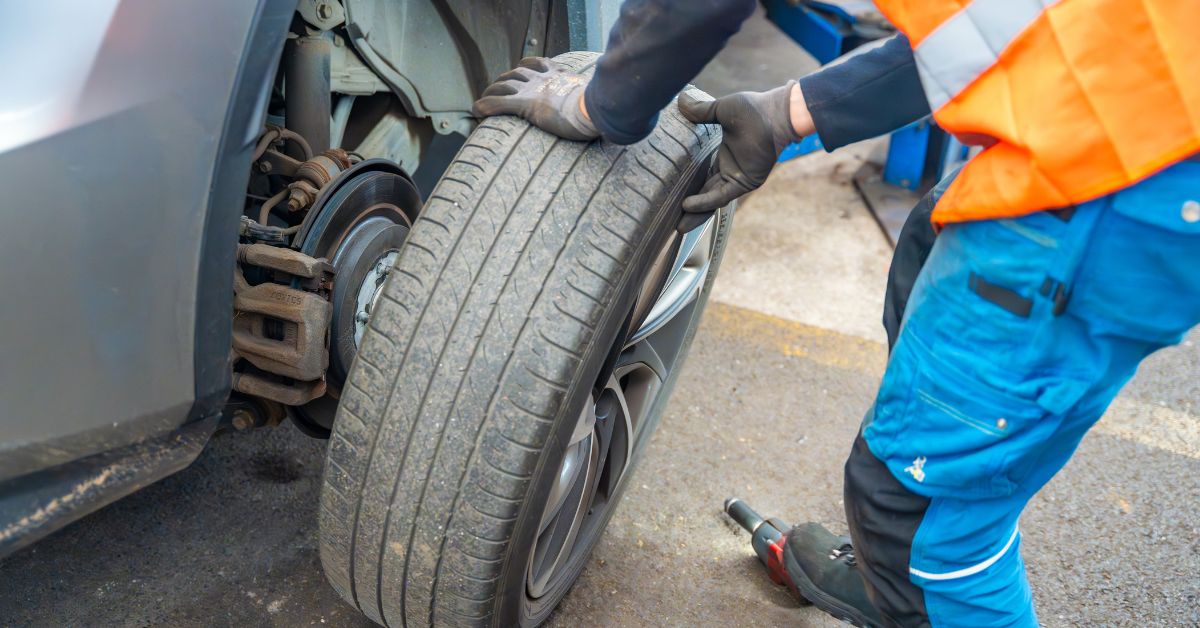
When to change car tires is not guesswork. It starts with knowing three key rules: replace tires at 2/32-inch tread, plan ahead at 4/32, and inspect them every year after 5 years. You can check your tires yourself by looking at tread depth, wear bars, and visible damage, but a professional inspection gives the most accurate result. Cracks, bulges, uneven wear, or repeated air loss are clear signs that replacement should not be delayed.
According to the National Highway Traffic Safety Administration, worn tires are a major factor in loss of traction and crash risk. Consumer Reports testing also shows that wet braking performance drops sharply as tread falls below 4/32 inch. In hot climates like Dubai, heat and asphalt temperature can shorten tire life even faster.
This article gives you clear rules, fast checks using a tread gauge or coin test, and a simple decision system. You will learn exactly when to replace, how many tires to change, and how to avoid unsafe driving.
When Should You Change Car Tires?
Tire replacement is not only about visible wear. It depends on tread depth, tire age, and early warning signs that affect safety and control. Driving on worn or aging tires reduces stability, weakens road grip, and increases stopping time, especially during rain or sudden braking. Safety data from the National Highway Traffic Safety Administration shows that poor tire condition is closely linked to loss of vehicle control. Independent testing by Consumer Reports also confirms that braking and handling performance decline as tread wears down. Use the quick rules below to decide whether your tires are still reliable or need replacement.
Safe Tread Depth Limits Explained (2/32, 4/32, 6/32)
2/32 inch: Legal minimum. Replace immediately.
4/32 inch: Recommended planning point for wet safety.
6/32 inch: Preferred for strong rain and winter performance.
Below 4/32, stopping distance increases and water drainage weakens.
Tire Age Rules and DOT Date Code Basics
Inspect tires yearly after 5 years of use.
Replace by 10 years, even if the tread looks good.
Check the DOT code on the sidewall for the manufacture date.
Heat and sunlight can accelerate aging.
Immediate Warning Signs That Mean Replace Now
Visible bulges or bubbles
Sidewall cracks or dry rot
Repeated air pressure loss
If you notice any of these, replace the tire without delay.
The 7 Critical Safety Signs You Need New Tires
Tires rarely fail without warning. In most cases, they show clear signs before becoming unsafe. Recognizing these warning signals early helps you avoid blowouts, poor braking, and loss of control. Below are the seven most important signs that indicate it is time to replace your tires.
Sign 1: Tread Below Safe Limits
Low tread reduces grip and water drainage.
Below 2/32 inch: unsafe and illegal in many regions
Around 4/32 inch: wet traction declines
Increased braking distance and skid risk
If tread is near the wear bars, replacement should not be delayed.
Sign 2: Visible Wear Bars
Wear bars are built into the tread grooves.
They appear when tread reaches 2/32 inch
Flush wear bars mean the tire is worn out
Present across all DOT approved tires
Once wear bars are visible, the tire is no longer safe.
Sign 3: Sidewall Cracks and Dry Rot
Cracks indicate aging rubber.
Caused by heat, sunlight, and oxidation
Weakens internal structure
Cannot be safely repaired
Deep or spreading cracks require immediate replacement.
Sign 4: Bulges and Blisters
Bulges show internal damage.
Usually caused by potholes or curb impact
Indicates broken internal cords
High risk of sudden blowout
Any bulge means the tire must be replaced.
Sign 5: Uneven or Patchy Wear
Uneven wear points to mechanical issues.
Center wear: over inflation
Edge wear: low pressure
Patchy wear: alignment problems
Replacing the tire without fixing the cause leads to repeated damage.
Sign 6: Constant Air Pressure Loss
Frequent pressure drops are warning signs.
May indicate slow leaks
Could signal internal damage
Increases overheating risk
If pressure loss continues after repair, replace the tire.
Sign 7: Vibration and Handling Problems
Driving feel can reveal tire problems.
Steering wheel vibration
Pulling to one side
Reduced corner stability
These symptoms often indicate structural damage or uneven wear.
How to Check Your Tires at Home in 5 Minutes
You do not need special training to check tire condition. In just five minutes, you can measure tread depth, spot early damage, and confirm whether your tires are still safe for daily driving. A quick inspection helps you avoid sudden blowouts, poor braking, and uneven wear. Follow the simple methods below to check your tires properly.
Using a Tread Depth Gauge Correctly
A tread depth gauge is the most accurate tool for measuring tire wear.
Step by step usage:
Insert the probe into the deepest groove of the tire tread.
Press the base of the gauge flat against the tread surface.
Read the measurement in 32nds of an inch or millimeters.
Repeat in at least three different spots across the tire.
Where to measure:
Check the inner, center, and outer tread blocks.
Uneven readings may indicate alignment or suspension issues.
If tread depth reads 2/32 inch, replace immediately. At 4/32 inch, begin planning replacement.
Penny Test and Quarter Test Method
If you do not have a gauge, use a coin test.
How to perform:
Insert a penny with Lincoln’s head upside down into the tread.
If you can see the top of his head, tread is around 2/32 inch.
A quarter test gives a safer 4/32 reference.
Accuracy limits:
Coin tests are quick checks, but not as precise as a gauge. Always confirm with a proper tool when possible.
Inspecting Sidewalls, Beads, and Inner Edges
Do not focus only on tread. Structural damage can appear elsewhere.
Look for:
Bulges or bubbles
Small sidewall cracks
Cuts from sharp objects
Scuffing from curb impact
Check the inner edge by turning the steering wheel fully left and right.
Tools You Need for a Basic Tire Inspection
Tread depth gauge
Flashlight
Tire pressure meter
Regular checks help you detect problems early and drive safely.
What Tire Tread Depth Really Means for Safety
Tread depth plays a direct role in how well your vehicle stops, grips the road, and handles sudden hazards. As tread wears down, water evacuation channels become shallow, rubber contact decreases, and traction weakens. Research and safety guidance from National Highway Traffic Safety Administration and Consumer Reports confirm that low tread significantly reduces braking and cornering performance.
Understanding how tread depth affects safety helps you replace tires before they become dangerous.
How Low Tread Affects Braking Distance
When tread is worn, tires cannot grip the road effectively.
Wet braking: At lower tread levels, water remains between the tire and road surface, increasing stopping distance.
Emergency stops: Shallow tread reduces friction, making it harder to stop quickly in traffic or sudden obstacles.
Even a small loss of tread can add several meters to your braking distance.
Hydroplaning Risk at Different Tread Levels
Hydroplaning occurs when tires cannot clear water fast enough.
4/32 inch: Provides basic wet road safety but requires cautious driving.
2/32 inch: High risk of hydroplaning, especially at highway speeds.
During rain, worn tires lose contact with the road faster, reducing steering and braking control.
Winter and All Season Tire Depth Differences
Tire type also affects safe tread limits.
Snow traction needs: Winter tires work best above 6/32 inch.
Seasonal advice: All season tires should be replaced earlier if used in heavy rain or colder conditions.
Maintaining proper tread ensures year round driving stability.
Understanding Tire Age, Rubber Degradation, and Heat Damage
Tires do not fail only from wear. Over time, rubber compounds break down due to heat, oxygen, and sunlight. This aging process weakens internal structure and reduces flexibility, even when tread appears normal.
In hot regions like Dubai, tire aging happens faster than in cooler climates, making regular inspections essential.
How Heat Accelerates Tire Aging in Dubai
High temperatures speed up chemical changes in rubber.
Asphalt temperature: Road surfaces can exceed 60°C in summer, stressing tire materials.
Parking exposure: Cars parked in direct sunlight experience faster sidewall cracking and hardening.
Continuous heat cycles shorten tire lifespan.
Storage vs Daily Driving Aging
How you store and use your vehicle also matters.
Garage parking: Slows aging by reducing UV and heat exposure.
Outdoor parking: Increases sun damage and oxidation.
UV damage: Sunlight breaks down rubber compounds over time.
Proper storage helps extend tire safety.
Reading the DOT Manufacturing Code
Every tire has a production date printed on its sidewall.
The last four digits show week and year of manufacture.
Example: “3522” means the tire was made in the 35th week of 2022.
Use this code to track tire age and follow the 5 year inspection and 10 year replacement guideline.
Common Tire Wear Patterns and Their Causes
Uneven tire wear is an early warning sign that something is wrong with your vehicle. Instead of wearing down evenly across the tread, tires may develop specific patterns that point to inflation, alignment, or suspension problems.
Learning to recognize these patterns helps you fix the root cause before replacing your tires.
Center Wear and Over Inflation
Center wear appears when the middle of the tread wears faster than the edges.
Caused by excessive air pressure
Reduces contact with the road
Leads to poor grip on wet surfaces
Check pressure monthly to prevent this issue.
Edge Wear and Low Pressure
Edge wear affects the outer and inner sides of the tread.
Caused by under inflated tires
Increases rolling resistance
Raises fuel consumption
Maintaining correct PSI helps extend tire life.
Cupping and Suspension Problems
Cupping creates dips and waves across the tread.
Often linked to worn shocks or struts
Causes vibration and road noise
Reduces steering stability
This pattern usually requires mechanical inspection.
Feathering and Alignment Issues
Feathering makes tread blocks feel smooth on one side and sharp on the other.
Caused by improper wheel alignment
Leads to steering pull
Reduces straight line stability
Wheel alignment should be checked annually.
When Mechanical Repair Is Needed
Some wear patterns indicate deeper problems:
Alignment: Uneven or feathered edges
Shocks: Cupping and bouncing
Bushings: Irregular tread blocks
Fixing these issues prevents repeated tire damage.
When You Should Replace Tires Earlier Than Expected
Even if tread depth and age seem acceptable, certain driving conditions can shorten tire life. Heavy use, harsh environments, and demanding driving habits place extra stress on rubber compounds and internal structures. In these cases, replacing tires earlier improves safety and reliability.
Understanding your usage pattern helps you plan replacements more accurately.
High Speed Highway Driving
Regular high speed driving increases heat buildup.
Accelerates rubber breakdown
Increases blowout risk
Reduces overall lifespan
Drivers who travel long distances should inspect tires more often.
Heavy Loads and Towing
Carrying extra weight stresses tire sidewalls.
Speeds up tread wear
Raises internal temperature
Increases puncture risk
Use load rated tires when towing.
Frequent Short Trips
Short trips prevent tires from warming evenly.
Causes uneven wear
Traps moisture in rubber
Promotes early cracking
This is common in city driving.
Ride Share and Delivery Use
Commercial style driving increases mileage rapidly.
Faster tread loss
More curb damage
Higher pressure fluctuation
Ride share drivers should check tires weekly.
How Dubai Climate Reduces Tire Life
Local conditions play a major role in tire aging.
Heat cycles: Repeated heating and cooling weakens rubber
Sand: Abrasive particles speed up tread loss
Stop and go traffic: Raises temperature and stress levels
In Dubai, tires often need earlier replacement than in cooler regions.
Should You Replace 1, 2, or All 4 Tires?
Choosing how many tires to replace can affect handling, braking balance, and long term vehicle health. Replacing the wrong combination may lead to uneven traction, increased drivetrain stress, and reduced stability. Safety guidance from the National Highway Traffic Safety Administration recommends keeping tread depth balanced across axles to maintain proper control.
Use the rules below to make the right replacement decision.
Front Wheel Drive vs Rear Wheel Drive Rules
Your vehicle’s drivetrain plays a key role.
Front wheel drive: New tires should be installed on the rear axle to reduce oversteer risk.
Rear wheel drive: Replace rear tires first to maintain traction during acceleration.
Keeping the rear axle stable helps prevent skidding in wet conditions.
All Wheel Drive Replacement Guidelines
All wheel drive systems require closely matched tires.
Large tread differences can strain the differential.
Most manufacturers recommend replacing all four together.
If replacing two, match them carefully and rotate regularly.
Ignoring this rule may lead to costly repairs.
Tread Difference Limits Explained
Tread depth should remain balanced.
Ideal difference: less than 2/32 inch
Acceptable maximum: 3/32 inch
Beyond this: replace all four
Uneven tread reduces stability and accelerates wear.
When Mixing Tire Brands Is Unsafe
Mixing different brands or models can affect grip.
Avoid mixing when:
Tread patterns differ greatly
Rubber compounds vary
Load ratings are mismatched
Use identical tires whenever possible.
Final Thought
Knowing when to change car tires helps you drive with confidence and avoid unnecessary risks. By checking tread depth, monitoring tire age, spotting uneven wear, and understanding how driving habits affect tire life, you can make smarter and safer decisions. These simple steps protect your braking performance, improve fuel efficiency, and reduce the chance of breakdowns on busy Dubai roads.
If you are unsure about your tire condition or want professional advice, Caroto Repair Dubai is here to help. Our certified technicians provide free inspections, honest recommendations, and same day tire services.
Frequently Asked Questions About Tire Replacement
Question: How Long Do Tires Last in Hot Weather
Answer: In hot climates, tires usually last 3 to 5 years, depending on driving habits and storage. Heat speeds up rubber aging and weakens internal layers. According to the National Highway Traffic Safety Administration, high temperatures increase the risk of tire failure if inspections are skipped. In Dubai, frequent checks are especially important.
Question: Is 4/32 Tread Still Safe
Answer: Yes, 4/32 inch is generally safe for normal driving, but it is the point where you should start planning replacement. Wet road grip begins to decline below this level. For frequent highway or rain driving, replacing earlier is recommended.
Question: Can I Drive With Small Sidewall Cracks
Answer: Small surface cracks may look harmless, but they often indicate rubber aging. If cracks are deep, spreading, or combined with air loss, the tire should be replaced immediately. Sidewall damage cannot be safely repaired.
Question: How Often Should I Check My Tires
Answer: You should inspect your tires at least once a month and before long trips. Check tread depth, air pressure, and visible damage. Weekly checks are ideal for ride share or high mileage drivers.
Question: Do Spare Tires Expire
Answer: Yes, spare tires also age, even if unused. Most should be inspected after 5 years and replaced after 10 years. Always check the DOT date code before relying on a spare in an emergency.