When to Change Your Car AC Filter: Signs Cost and Expert Tips
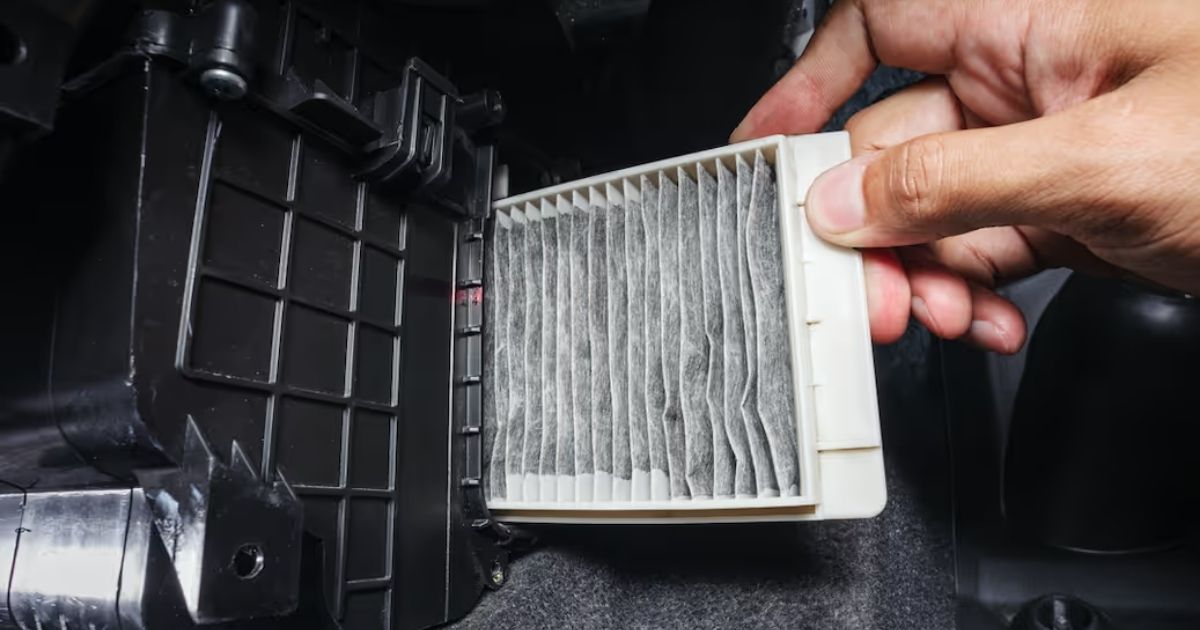
Ever notice your car’s AC not cooling as well, or a faint musty smell every time you switch it on? That’s your vehicle telling you something’s wrong with the cabin air filter. This is the part responsible for keeping the air you breathe clean and fresh.
Typically, experts recommend changing your AC filter every 12,000 to 15,000 miles or once a year. However, if you drive through dusty roads, heavy traffic, or humid areas, you may need to replace it sooner for optimal performance.
At Caroto Repair Dubai, we specialize in keeping your car’s air conditioning system in perfect shape. Our certified technicians use advanced diagnostics, genuine parts, and years of expertise to ensure cleaner air, better cooling, and a smoother driving experience across Dubai.
What's a Cabin Air Filter?
A cabin air filter is a key component of your car’s HVAC system that keeps the air inside your vehicle clean and breathable. It traps dust, pollen, mold spores, and other airborne particles before they enter the cabin.
Positioned behind the glove box, dashboard, or near the windshield base, it works every time you run your air conditioning or heater. Over time, the filter collects dirt and moisture, reducing airflow and air quality. Understanding its role helps you maintain a healthier, more comfortable environment every time you drive.
Signs This Is The Time To Change The Car AC Filter
A clean AC filter keeps your car’s air fresh and your cooling system efficient. When it begins to clog with dust and debris, you’ll start noticing signs of reduced performance and air quality.
Decreased Airflow
If your car’s AC doesn’t blow as strongly as before, your cabin air filter may be blocked. A clogged filter limits airflow through the vents. The system then works harder to maintain temperature, causing weak cooling and higher strain on your AC components. Replacing it quickly restores comfort and performance.
Unpleasant Odors
A stale or moldy smell spreading through your car’s vents signals that the AC filter is no longer clean. Moisture and trapped dust inside the filter create the perfect environment for bacterial growth. Breathing this air can irritate allergies and make every drive uncomfortable until the filter is replaced.
Frequent Sneezing and Allergies
If you often sneeze or feel irritation while driving, your AC filter may be filled with pollen, dust, and mold particles. A dirty filter fails to trap allergens, allowing them to circulate inside the cabin. This contaminated airflow can worsen allergies, trigger headaches, and reduce the comfort of every journey until the filter is replaced.
Foggy Windows
Windows that fog up quickly or take longer to clear are often linked to a clogged AC filter. Restricted airflow prevents proper ventilation inside the cabin. Moisture builds up on glass surfaces, reducing visibility and safety. Replacing the filter restores balanced airflow, allowing the defogging system to work efficiently and maintain clear windows in all conditions.
Visible Dirt and Debris
When you remove your cabin air filter and see it coated with dust, leaves, or black residue, it’s no longer effective. A filter in this condition can’t block new contaminants. The trapped particles restrict airflow and allow polluted air to enter the cabin, reducing both comfort and the overall performance of your AC system.
Reduced Cooling Efficiency
When your car’s AC struggles to cool the cabin, the air filter may be the cause. Dust and debris block airflow to the evaporator. The system then loses cooling power and works under constant strain. Replacing the filter restores steady airflow and allows the AC to perform at its designed capacity.
Whistling Or Hissing Sounds From Vents
Hearing a strange whistling or hissing sound when you adjust the fan is more than just annoying. It often means the cabin air filter is blocked or misaligned. The restricted airflow forces your AC system to work harder and may cause further damage if left unchecked. Replacing the filter restores quiet, steady performance.
Inconsistent Temperature Control
If some areas of your car feel cooler or warmer than others, it could point to a clogged cabin air filter. Blocked airflow prevents the AC system from distributing air evenly through all vents. This imbalance makes it harder to maintain your chosen temperature and can leave you adjusting the controls constantly during every drive.
Strange Noises When Adjusting Fan Speed
If you notice unusual rattling or humming sounds when changing your fan speed, it’s a sign your AC filter may be struggling. A clogged filter blocks smooth airflow and puts extra pressure on the blower motor. Leaving it unchecked can cause costly damage and make every ride noisier than it should be.
AC Taking Longer to Start Cooling
When your AC takes ages to cool the cabin, it’s not just the summer heat to blame. A dirty filter restricts airflow and slows down cooling. The system then works overtime to reach your preferred temperature, wasting energy and making you wait longer for comfort.
Increased Fuel Consumption Due to AC Strain
If you’ve noticed you’re refueling more often while using the AC, your cabin filter could be the culprit. A clogged filter forces the compressor and blower motor to use more power. This added strain quietly increases fuel use and wears down your system faster.
Mold or Moisture Around Vents
Spotting dampness or mold near your car’s vents should never be ignored. It often means the cabin air filter isn’t allowing enough airflow to dry out the system. The trapped moisture breeds bacteria and unpleasant smells, turning your drive into an unhealthy experience until the filter is replaced.
How Often Should You Change a Cabin Air Filter?
Every car and driving environment is different, but most vehicles need a cabin air filter replacement every 12,000 to 15,000 miles or once a year. If you often drive through dusty roads, heavy traffic, or areas with poor air quality, the filter will clog much faster.
Over time, trapped dust and pollutants block airflow, making it harder for your AC to cool effectively. Changing the filter at regular intervals keeps your car’s air fresh and your ventilation system performing smoothly on every drive.
Can I Change the Cabin Air Filter Myself?
Yes, in most vehicles, you can replace the cabin air filter on your own. The process is generally simple and takes less than 20 minutes. The filter is often located behind the glove box, under the dashboard, or near the base of the windshield in the engine bay. Basic tools like a screwdriver and gloves are usually enough.
Always check your owner’s manual for exact placement and airflow direction markings before installation. Some vehicles require removing trim panels or glove box fasteners, so reviewing a step-by-step guide or video tutorial for your specific make and model ensures a safe, correct replacement.
How to Replace Your Cabin Air Filter?
Replacing your cabin air filter is easier than most people think, and doing it yourself can instantly improve air quality inside your car. With a few minutes of care and attention, you can keep your AC running smoothly and your cabin air fresh.
Step 1: Locate the Cabin Air Filter
Start by checking your owner’s manual to see where your cabin filter is installed. In most cars, it’s placed behind the glove box, under the dashboard, or near the base of the windshield. Knowing its exact location makes the rest of the process much simpler.
Step 2: Prepare the Area
Once you’ve located the filter, turn off the engine and secure the parking brake. It’s a good idea to wear gloves to avoid dust contact. Keep a clean cloth or small vacuum ready, since you’ll need to clear debris before installing the new filter.
Step 3: Remove the Old Filter
Carefully open the filter compartment by unclipping the cover or removing a few screws. Slide the old filter out slowly to prevent dirt from falling into the vents. This step reveals how much dust and debris your filter has been holding back.
Step 4: Clean the Filter Housing
Before inserting the new filter, take a moment to clean the housing area. Wiping or vacuuming away trapped dust ensures your new filter performs effectively. This small step helps prevent immediate clogging and supports steady airflow through the system.
Step 5: Install the New Filter
Next, check the airflow direction arrow printed on the filter’s edge. Slide the new filter into the housing in the same direction as the old one. Make sure it fits snugly without bending, as a secure fit guarantees proper ventilation throughout the cabin.
Step 6: Reassemble and Test the System
Once the new filter is in place, reattach the cover and any removed panels. Turn on your AC or heater and feel the difference in airflow. You’ll notice fresher, cleaner air filling the cabin—proof that your system is breathing easy again.
How Much Does It Cost To Replace a Car AC Filter?
The cost of replacing a car’s AC or cabin air filter depends on your vehicle type, filter quality, and whether you do it yourself or visit a workshop. For most cars, standard filters cost between $15 and $30, while premium carbon or HEPA filters range from $35 to $60.
If replaced by a professional, total costs, including labor, can reach $50 to $120. The final price also varies by brand and location, but regular replacement ensures consistent airflow and long-term HVAC efficiency.
The Importance of Cabin Air Filter Replacement for Your Vehicle
Your cabin air filter plays a bigger role than most drivers realize. It doesn’t just keep the air fresh. It protects your health, preserves your car’s interior, and keeps the AC system performing efficiently. Replacing it regularly ensures that every drive feels cleaner, safer, and more comfortable.
Cleaner Air for You and Your Passengers
Every time you run your AC or heater, air passes through the cabin filter. Over time, that filter traps dust, pollen, mold spores, and other contaminants.
When it becomes clogged, these particles start circulating back into your cabin, affecting air quality. A clean filter ensures you breathe cleaner air, especially if you or your passengers have allergies or asthma.
Better AC and Heating Performance
A dirty cabin air filter restricts airflow through your HVAC system. This makes your AC work harder, reducing cooling efficiency and putting unnecessary strain on the blower motor. Regular replacement helps maintain consistent airflow, improves temperature control, and reduces wear on vital components.
Protection for the HVAC System
When air can’t move freely, the AC system compensates by running longer and harder. This extra effort can lead to overheating and premature motor failure. Keeping the filter clean allows the system to operate smoothly and prevents costly repairs down the road.
Longer Life for Your Car’s Interior
Dust and debris that bypass a worn-out filter settle on your dashboard, vents, and upholstery. This buildup not only makes cleaning harder but can also dull surfaces over time. A clean filter keeps your interior looking newer for longer.
Keep Your Car and Garage Clean
For a clean car and garage, make sure you maintain regular cleaning and maintenance. Bright Street Facilities Management offers expert services for both garage and home cleaning service, ensuring a spotless environment for your vehicle and living spaces. With their professional team, you can enjoy a clean and organized space, whether it’s your car or garage.
In Closing
A clean cabin air filter is essential for healthy air, efficient cooling, and the long-term performance of your car’s AC system. Replacing it on time helps you enjoy a fresher, safer, and more comfortable drive every day.
If your AC feels weak or your cabin air seems stale, visit Caroto Repair Dubai today. Our expert technicians will inspect, replace, and restore your car’s air system with precision and care, keeping your drive perfectly cool all year round.
Frequently Asked Questions
Question: Can a dirty cabin air filter affect my car’s fuel efficiency?
Answer: Yes. When the filter gets clogged, your AC system works harder to move air through restricted passages. This increases the load on the engine slightly, leading to higher fuel consumption over time.
Question: Does every car have a cabin air filter?
Answer: Most modern vehicles do, especially those made after the late 1990s. However, some older or base-model cars might not include one. Check your owner’s manual or ask a certified mechanic to confirm.
Question: Can I clean the cabin air filter instead of replacing it?
Answer: Light cleaning may remove surface dust, but it won’t eliminate trapped dirt, moisture, or mold. Replacement is the only way to fully restore airflow and maintain proper air quality inside your car.
Question: What happens if I ignore a bad cabin air filter?
Answer: Ignoring a dirty filter can cause reduced airflow, unpleasant odors, foggy windows, and extra strain on your AC system. Over time, this can lead to costly repairs and poor air circulation.
Question: How can I make my cabin air filter last longer?
Answer: Keep the air intake area free from debris, avoid parking under trees, and occasionally switch off the recirculation mode. These habits help maintain airflow and reduce dirt buildup inside the filter.