How to Change Engine Oil in a Car
Published
How to change engine oil in a car: drain the old oil, replace the filter, refill with manufacturer-approved oil, and check the final level - a process that typically takes 10 basic steps and 30 to 45 minutes with the right tools. According to the American Petroleum Institute, using the correct viscosity and API-rated oil is essential for engine longevity. This guide is written for Dubai car owners doing a DIY oil change or comparing it against workshop service. You'll get a step-by-step process, the tools and oil specifications you need, common mistakes to avoid, and Dubai-specific rules on used-oil disposal under Dubai'sLaw No. 18 of 2024 on Waste Management. Drawing on hands-on service experience at Caroto Repair Dubai, this guide covers everything from draining to final level checks - so your engine stays protected on Dubai roads. Always use the engine oil specified by your vehicle manufacturer. Replace the oil filter during a complete oil change. Never work under a vehicle supported only by a jack. Tighten the drain plug to the recommended torque. Add fresh oil gradually to prevent overfilling. Check the oil level after running the engine briefly. Inspect the drain plug and filter for leaks. Dispose of used engine oil through an approved collection method. Get professional help if you notice metal particles, coolant contamination, oil-pressure warnings, or serious leaks. To change engine oil safely, you need the correct oil, a matching oil filter, basic hand tools, a drain pan, and suitable vehicle support equipment. Prepare these items before starting: Manufacturer-approved engine oil Correct replacement oil filter New drain-plug washer if required Socket and ratchet Torque wrench Oil filter wrench Drain pan Funnel Protective gloves Safety glasses Cleaning cloths Wheel chocks Jack stands or vehicle ramps Having the correct tools ready makes the job safer and prevents you from leaving the vehicle unfinished while searching for equipment. No. A jack is designed primarily to raise the vehicle, not to support it while someone works underneath. Always use appropriately rated jack stands or ramps on a firm, level surface. Follow your vehicle manufacturer's approved lifting points. Never place any part of your body beneath a car that is supported only by a hydraulic or scissor jack. The best engine oil for your car is the viscosity and performance specification approved by the vehicle manufacturer. Check your owner's manual before buying oil. Typical information may include: SAE International defines engine oil viscosity through its J300 classification system. The American Petroleum Institute also recommends following the vehicle manufacturer's requirements when selecting motor oil. Modern engines have precisely designed oil passages, bearings, turbochargers, and variable valve systems. Using an unapproved viscosity can affect lubrication and performance. How to change engine oil in car correctly can be explained in 10 steps: confirm the oil specification, warm the engine slightly, secure the car, drain the old oil, replace the filter, reinstall the drain plug, refill, start the engine, inspect for leaks, and check the final level. Before starting, confirm: Engine oil viscosity Required oil specification Oil capacity Correct filter Drain-plug torque These details vary between vehicles. Two cars from the same manufacturer can use different oils if they have different engines. Never estimate oil capacity based only on engine size. Run the engine for a few minutes. Warm engine oil normally drains more easily than completely cold oil. However, the oil and engine components should not be dangerously hot. Switch the engine off before moving underneath the vehicle. If the car has just completed a long drive in Dubai summer conditions, allow additional cooling time before starting. Park the vehicle on a solid, level surface. Apply the parking brake and place the transmission in Park or the appropriate gear. Use wheel chocks when needed. If you need more access beneath the engine, raise the vehicle using its approved lifting points. Support it properly with jack stands or ramps. A level vehicle also helps you obtain an accurate final oil-level reading. Locate the engine oil pan and identify its drain plug. Make sure you are opening the engine oil drain plug, not a transmission or gearbox drain plug. Place the drain pan underneath. Position it slightly ahead of the plug because the oil may initially flow outward with some force. Loosen the drain plug using the correct socket.Once loose, remove it carefully by hand. Allow the old oil to drain completely into the pan. While the oil drains, inspect: Drain-plug threads Sealing washer Oil pan Drain opening Existing oil leaks Dark engine oil alone does not automatically indicate engine damage. Oil naturally becomes darker as it collects contaminants and performs its cleaning functions. However, visible metal particles, coolant contamination, or an unusual fuel smell can require further diagnosis. Place the drain pan beneath the filter because some oil will usually remain inside it. Remove the old filter with your hand or an oil filter wrench. Then check the filter mounting surface. A common oil-change mistake is leaving the old rubber gasket attached to the engine. Installing a new filter over an old gasket can cause a serious leak. If specified by the filter manufacturer, apply a light layer of fresh engine oil to the new filter gasket. Install the replacement filter according to its instructions. Caroto Repair Dubai's professional car oil change in Dubai also includes oil filter replacement as part of the service. Inspect the drain-plug washer and replace it when required. Start the drain plug by hand. This reduces the risk of cross-threading. After the plug is seated properly, use a torque wrench and tighten it to the manufacturer's specified torque. Do not overtighten it. Too much force can damage the drain-plug threads or oil pan. A plug that is too loose can also allow oil to leak. Remove the oil filler cap. Place a clean funnel into the opening and begin adding the recommended oil. Do not immediately pour the entire stated capacity into the engine. Add slightly less first.For example, if an engine's service capacity is 5 litres, you may initially add slightly below that amount before checking the final level. This reduces the chance of overfilling. Install the filler cap and start the engine. Allow it to idle briefly. The oil-pressure warning light should turn off normally once the system builds pressure. Do not rev the engine immediately after the oil change. Look beneath the car and inspect: Drain plug Oil filter Oil pan Nearby areas Caroto provides professional engine repair in Dubai when oil-pressure or lubrication problems indicate a larger mechanical issue. Switch the engine off and allow the oil to settle according to the manufacturer's instructions. Keep the vehicle level. For cars with a traditional dipstick: Remove the dipstick. Wipe it clean. Insert it completely. Remove it again. Read the oil level. Add small amounts if needed. Check again. The level should normally sit within the manufacturer's safe range. Do not fill above the maximum mark. For a detailed explanation, read Caroto's guide onhow to check oil level in a car. Overfilling engine oil can cause lubrication problems. If the oil level becomes excessively high, rotating engine components may churn the oil and introduce air bubbles. This can reduce effective lubrication and increase crankcase pressure. Possible symptoms include: Blue or grey exhaust smoke Burning-oil smell New oil leaks Rough engine operation Reduced performance If your dipstick clearly shows oil above the maximum level, remove the excess before normal driving. Adding more oil is not always better. Several small mistakes can turn a routine oil change into an expensive repair. Do not select oil only by brand or viscosity. Check the required API, ILSAC, ACEA, or manufacturer specification where applicable. Add oil gradually. Run the engine, let the oil settle, and check the final level before adding more. Always inspect the old filter after removal. Confirm its rubber sealing gasket came off with it. Use the manufacturer's torque specification instead of guessing. Over-tightening can damage threads, especially on aluminium oil pans. A worn or crushed sealing washer can cause oil leakage. Replace it when specified. Never trust a jack alone. Use rated stands or ramps. Reinstall the filler cap before starting the engine. Also confirm the dipstick is correctly seated. A DIY oil change can work well if you have the proper equipment and experience. Professional service is more convenient when access is difficult or special tools are required. A professional service can also identify problems you might miss during a basic DIY inspection. If you prefer workshop support, Caroto providescar oil change services in Dubai. There is no universal engine oil change interval for every car. The correct interval depends on your manufacturer's service schedule, oil type, engine design, driving pattern, and oil-life monitoring system. Caroto's Dubai oil-change guidance generally discusses intervals around 5,000 to 10,000 km, depending on the vehicle and oil grade. However, the owner's manual should remain your primary reference. Your oil may require closer attention if you regularly experience: Heavy stop-start traffic Long periods of idling Frequent short trips Dusty driving conditions High engine loads Very high ambient temperatures Do not ignore an oil-life warning or manufacturer-specified service interval. Dubai drivers should consider heat, dust, traffic, and correct used-oil disposal when servicing their vehicles. However, Dubai's hot climate does not mean you should automatically install a thicker oil. Use only a viscosity allowed by the vehicle manufacturer. Also avoid starting DIY maintenance immediately after parking a vehicle following a long drive in extreme heat. Engine components and oil may remain hot enough to cause burns. Used engine oil should be collected in a secure container and transferred through an appropriate waste-oil or recycling service. Never pour used oil: Onto the road Onto pavement Into drains Onto soil Dubai Law No. 18 of 2024 regulating waste management prohibits discharging used oil onto roads and pavements. Professional workshops normally manage used-oil disposal as part of the service. Stop the DIY oil change and contact a mechanic when you find a problem that routine maintenance cannot safely solve. Seek professional help for: Stripped drain-plug threads Damaged oil pan Stuck or damaged oil filter Metal fragments in drained oil Coolant mixed with oil Persistent oil-pressure warning Heavy leakage Unusual engine noise Smoke after the oil change Oil leakage may also come from gaskets, seals, the sump, filter housing, or other engine components. If you already see oil underneath your vehicle, read our guide on how to fix an oil leak in a car. For broader mechanical problems, Caroto also provides general car repair in Dubai. Answer: Yes. You can change engine oil yourself if you have the correct oil, filter, tools, and safe lifting equipment. Many vehicles have a straightforward oil-change process, although filter access and drain-plug locations vary by model. Answer: A slightly warm engine is generally better because warm oil drains more easily. However, the engine should not be dangerously hot. If the vehicle has just completed a long journey, allow it to cool before working. Answer: For a complete engine oil service, replacing the oil filter is generally recommended. The old filter contains contaminants collected from the previous oil and may have limited remaining filtration capacity. Answer: Oil capacity varies by engine. Check your owner's manual or manufacturer service information. The listed capacity may also differ depending on whether the oil filter is replaced. Answer: Only use 5W-30 instead of 0W-20 if your vehicle manufacturer approves that viscosity for your engine and operating conditions. Do not change viscosity based only on outside temperature. Answer: Switch the engine off if the oil-pressure warning remains illuminated after startup. Check the oil level and inspect for leaks. A persistent warning may indicate a pressure, pump, sensor, or lubrication-system fault. Answer: A professional oil change often takes around 30 minutes, depending on the vehicle. A first-time DIY oil change can take longer because of preparation, safe lifting, draining, filter access, and cleanup. Answer: Store the oil in a sealed container and use an approved recycling or waste-oil collection route. Never discharge it onto roads, pavements, soil, or drains. Understanding how to change engine oil in car helps you maintain one of the most important lubrication systems in your vehicle. The correct process is simple: verify the right oil and filter, warm the engine slightly, secure the vehicle, drain the old oil, replace the filter, reinstall the drain plug correctly, refill gradually, start the engine, inspect for leaks, and confirm the final oil level. The most important rule is not to guess. Always follow your vehicle manufacturer's oil specification, capacity, service interval, and torque values. For Dubai drivers, proper used-oil disposal and safe working conditions are equally important. If you lack the correct tools or notice oil leaks, contamination, warning lights, or unusual engine behaviour, professional service is the safer option. Caroto Repair Dubai provides professional engine oil and filter changes for cars across Dubai. Our technicians can verify the correct oil specification, replace the filter, inspect the vehicle for leakage, and complete the final oil-level checks. Visit Caroto Repair Dubai in Jumeirah, Dubai, or call +971 56 858 7348 to arrange your car oil service. Keep the right oil in your engine and keep your car ready for Dubai roads.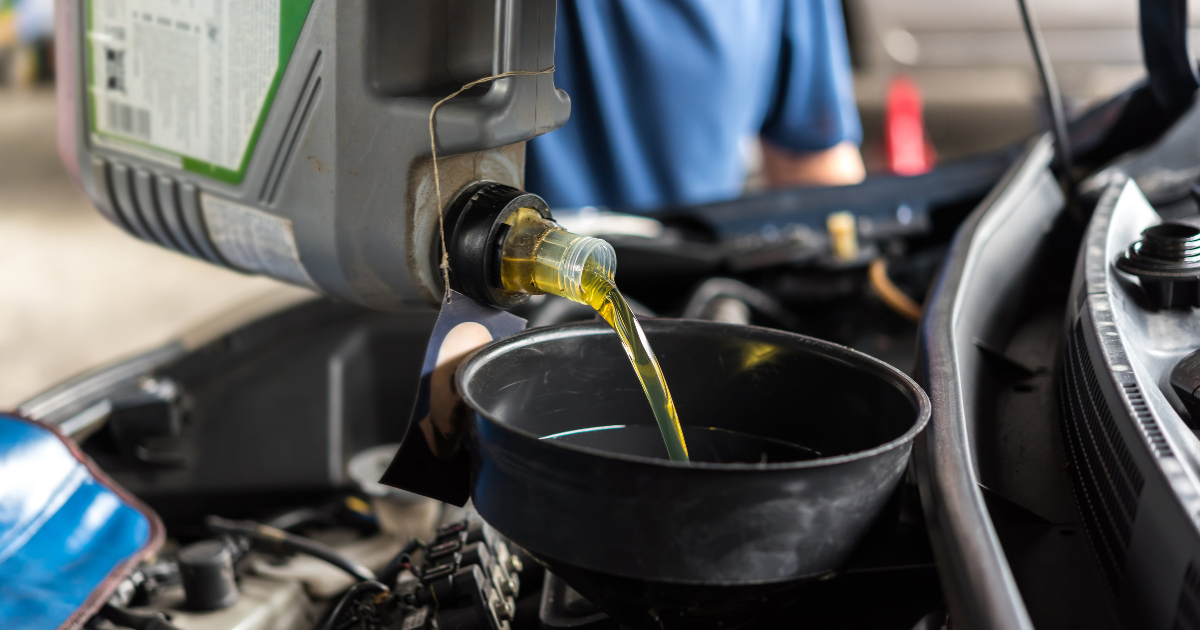
Key Takeaways
What Do You Need to Change Engine Oil?
Can You Use Only a Car Jack?
Which Engine Oil Should You Use?
How to Change Engine Oil in Car
1. Check Oil Type and Capacity
2. Warm the Engine Slightly
3. Park on Level Ground
4. Locate the Oil Drain Plug
5. Drain the Old Engine Oil
6. Replace the Oil Filter
7. Reinstall the Drain Plug
8. Add Fresh Engine Oil
9. Start the Engine
10. Check the Final Oil Level
What Happens If You Add Too Much Oil?
Common Oil Change Mistakes
Using the Wrong Oil
Overfilling the Engine
Forgetting the Filter Gasket
Over-Tightening the Drain Plug
Reusing a Damaged Washer
Working Under an Unsupported Car
Forgetting the Oil Filler Cap
DIY vs Professional Oil Change
How Often Should You Change Engine Oil?
Engine Oil Changes in Dubai
How Should Used Oil Be Disposed?
When Should You Visit a Mechanic?
Frequently Asked Questions
Question: Can I Change Engine Oil Myself?
Question: Should the Engine Be Hot or Cold?
Question: Should I Change the Oil Filter Every Time?
Question: How Much Engine Oil Does My Car Need?
Question: Can I Use 5W-30 Instead of 0W-20?
Question: What If My Oil Light Stays On?
Question: How Long Does an Oil Change Take?
Question: How Do I Dispose of Used Oil in Dubai?
Conclusion
Need an Oil Change in Dubai?