Can I Wash Car Engine With Water?
Published
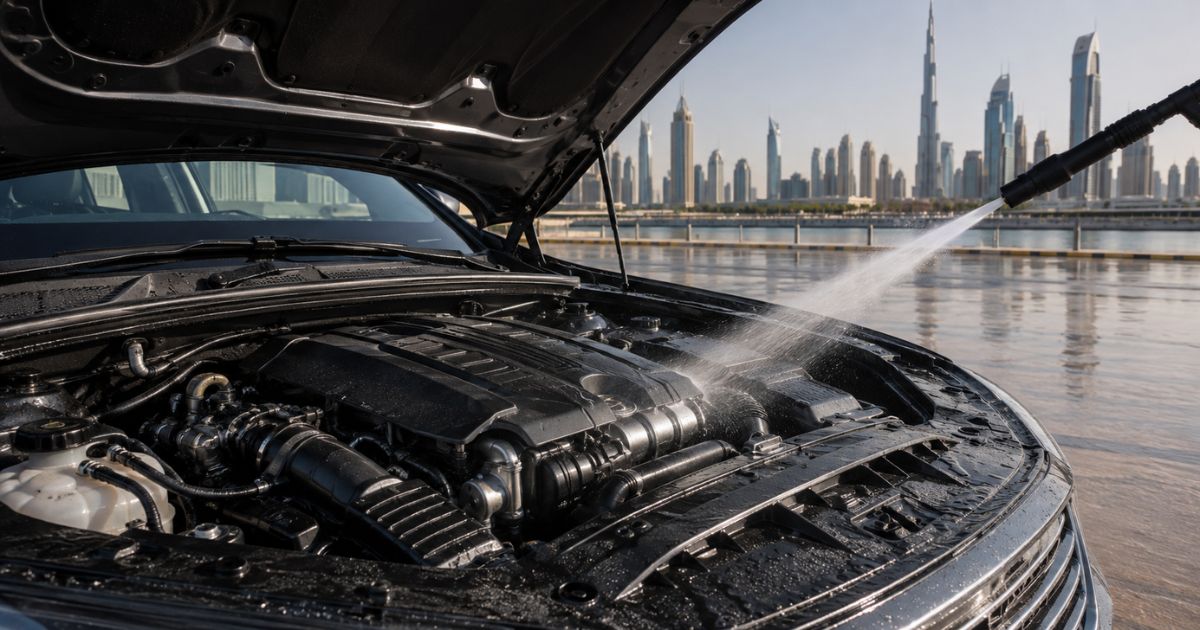
Can I wash car engine with water? Yes, but only with a small amount of low-pressure water and proper protection. Avoid spraying the alternator, fuse box, ECU, sensors, ignition components, air intake, and exposed wiring. Always clean a cool engine and dry the engine bay fully before driving.
At Caroto Repair Dubai, we recommend controlled engine-bay cleaning rather than heavy soaking or high-pressure washing. Excessive water pressure can push moisture into electrical connectors, damaged seals, and sensitive engine components.
This guide explains how to wash a car engine safely, which parts must stay dry, common mistakes to avoid, and when Dubai drivers should choose professional engine cleaning or inspection.
Key Takeaways
Light, controlled water can be used on many conventional engine bays.
Never direct strong water pressure at electrical components.
Clean only when the engine is cool.
Protect the alternator, fuse box, ECU, air intake, and exposed connectors.
Use an automotive-safe cleaner rather than relying on water pressure.
Rinse with the least water necessary.
Dry connectors and crevices thoroughly.
Use extra caution with hybrid and electric vehicles.
Keep oily or chemical wash water out of storm drains.
Get professional help when wiring, seals, or electrical parts are damaged.
Is It Safe to Wash a Car Engine With Water?
Yes, a car engine bay can usually tolerate light moisture when cleaned correctly. Vehicles already encounter rain, humidity, road spray, and splashes, but that does not mean every under-bonnet component is designed for direct washing.
Heavy soaking can push moisture into connectors, ignition parts, control modules, or the intake. Vehicle condition also matters. Older cars with cracked insulation, loose wiring, or missing covers need more caution. Check the owner's manual when the manufacturer provides engine-bay cleaning instructions.
Which Engine Parts Should Stay Dry?
Sensitive electrical and intake components should receive as little direct water as possible. Weather protection does not guarantee resistance to a concentrated jet.
Alternator
Avoid spraying the alternator directly. Forced water can reach internal electrical parts and bearings. Cover an exposed alternator before rinsing nearby areas.
Fuse Box and ECU
Keep direct water away from fuse and relay boxes, the Engine Control Unit, and other electronic modules. Moisture inside a connector or module can cause warning lights, communication faults, intermittent electrical problems, or a no-start condition.
Sensors and Connectors
Avoid concentrated spray on wiring plugs, sensors, coil packs, exposed terminals, and damaged insulation. Caroto's guide on when to repair a car electrical system explains common signs such as warning lights, starting issues, and unstable electrical behaviour.
Air Intake
Never spray water into an open air intake or exposed air filter. Water entering the intake can travel toward the engine and create a much more serious problem than a dirty engine bay.
Battery Connections
Do not deliberately soak battery terminals or nearby connections. Corroded, loose, or damaged cables should be repaired before washing. Drivers experiencing battery or starting problems can also check Caroto's guide on when to replace a car battery.
Can I Pressure Wash My Engine Bay?
A pressure washer creates more risk than a gentle hose because high-pressure water can penetrate seals, connectors, insulation, and electrical housings. For routine cleaning, strong pressure is unnecessary. Degreaser, a soft brush, and a controlled rinse can remove most grime.
Pressure washing needs even more caution on hybrid and electric vehicles. The UK Health and Safety Executive warns that pressure washing can damage high-voltage electrical components and cables. Manufacturer guidance should always take priority around those systems.
Avoid pressure washing when:
Wiring is exposed.
Electrical covers are cracked or missing.
The engine bay has aftermarket electronics.
Connectors or seals look damaged.
The vehicle is hybrid or electric without approved cleaning guidance.
High-voltage components cannot be identified.
An active electrical fault already exists.
Professional cleaning is safer in these situations.
How to Wash a Car Engine Safely
Safe engine washing depends on preparation, gentle cleaning, and thorough drying. The goal is to remove grime without soaking the entire engine bay.
1. Let the Engine Cool
Park the car and switch off the engine. Wait until the engine bay is cool enough to work around safely. Water on very hot components is unnecessary, and cleaning around a hot engine increases burn risk. Dubai temperatures can keep components hot after driving, so allow extra cooling time after a long journey.
2. Inspect the Engine Bay
Check the engine bay before using water.
Look for:
Loose wiring
Broken connectors
Missing covers
Cracked plastic housings
Exposed aftermarket wiring
Oil or coolant leaks
Open intake parts
Damaged insulation
A visible oil leak should be diagnosed, not repeatedly washed away. Caroto's guide on how to fix an oil leak in a car explains common causes.
3. Remove Loose Dust
Use a soft brush, vacuum, microfiber cloth, or air blower to remove leaves, sand, and loose dust. Dry cleaning reduces the water needed later, especially for Dubai dust around covers and seals.
4. Protect Sensitive Components
Cover vulnerable areas before applying cleaner or water.
These may include:
Alternator
Fuse and relay box
ECU or electronic modules
Open air intake
Exposed connectors
Aftermarket electronics
Use temporary splash protection only after the engine has cooled.
5. Apply Engine-Safe Cleaner
Use a cleaner designed for automotive engine bays or compatible under-bonnet surfaces. Apply it to dirty or greasy areas rather than soaking everything. Follow the product's dilution and dwell-time directions, and do not let cleaner dry on plastic, rubber, belts, or electrical parts.
6. Agitate the Grime
Use a soft detailing brush to loosen oily dirt. Gentle brushing allows the cleaner to work without requiring strong water pressure. Take care around hoses, wire looms, clips, labels, and thin plastic parts.
7. Rinse Gently
Use a gentle spray and the smallest amount of water needed to remove loosened dirt and cleaner.
Keep the water moving. Never hold the stream against:
Electrical connectors
Alternator openings
Fuse boxes
ECU housings
Sensors
Coil packs
Air intake openings
Damaged seals
The aim is to rinse, not blast.
8. Remove Standing Water
Use clean microfiber towels to absorb visible moisture. Pay attention to recesses where water can collect. Controlled airflow can help clear tight areas, but avoid excessive force around delicate connectors.
9. Dry the Engine Bay
Allow the bay to dry thoroughly before normal driving. Remove temporary covers after nearby surfaces are dry. Check the airbox, fuse-box area, and electrical connectors for trapped moisture.
10. Start and Inspect the Car
Start the engine after the bay is dry and all temporary covers are removed. Watch the dashboard and listen to the engine. It should start and idle normally.
Pay attention to:
Check-engine light
Rough idle
Misfire
Battery warning
Charging problems
Multiple dashboard warnings
Persistent electrical symptoms may need further diagnosis. Caroto's guide on how to diagnose and repair automotive electrical systems explains how electrical faults are identified and repaired.
Water vs Waterless Engine Cleaning
Both methods can work. The right option depends on vehicle condition and the amount of grime.
For routine dust, low-water cleaning is often enough. Heavy oil buildup should also trigger a leak inspection.
Can Water Damage Car Engine Electronics?
Yes. Water that reaches an electrical connection can disrupt signals, create corrosion, or cause short circuits. Symptoms may appear immediately or later when moisture remains trapped inside a connector.
Possible signs include:
Car will not start
Rough idle or misfire
Check-engine light
Battery or charging warning
Multiple dashboard warnings
Electrical accessories malfunction
Stop the vehicle when a serious electrical problem appears after washing. Do not repeatedly attempt to start the engine when water may have entered the intake or a critical electrical area. Electrical diagnosis may involve checking the alternator, sensors, wiring, fuses, relays, and charging system.
Can Water Get Inside the Engine?
Water on external engine surfaces is very different from water entering the engine itself. The main concern is the air intake. A significant amount of water entering a combustion chamber can create severe mechanical stress because liquid water cannot be compressed like the normal air-fuel mixture.
Do not start the vehicle when you suspect water has entered the intake. Professional inspection is the safer next step, especially when the car develops abnormal noise, misfires, starting problems, or loss of performance. Understanding how an engine cooling system works can also help distinguish normal engine cooling components from unrelated water entering the intake or electrical system.
Engine Washing in Dubai
Dubai's dust and high temperatures can make an engine bay dirty quickly, but frequent high-pressure washing is unnecessary. Use dry or low-water cleaning for ordinary dust. Deeper cleaning makes more sense when grease, oil residue, or heavy grime needs to be removed for inspection.
Wash-water runoff also matters. The U.S. Environmental Protection Agency states that vehicle wash water can contain oil, grease, metals, detergents, and other contaminants. Its stormwater guidance recommends keeping polluted wash water away from storm drains.
For Dubai drivers, avoid allowing oily engine-bay runoff or degreaser to flow freely into roads and drainage systems. A properly equipped professional facility can manage contaminated wash water more effectively.
When Should You Avoid Water?
Skip water-based cleaning when the engine bay already has electrical, intake, or structural problems.
Use professional help when you find:
Exposed copper wiring
Broken electrical connectors
Missing fuse-box covers
Open air intake
Serious oil or fuel leakage
Corroded terminals
Unprotected aftermarket electronics
Hybrid or EV high-voltage parts you cannot identify
Older vehicles may need a more cautious method as seals and wiring insulation age. A microfiber cloth and suitable cleaner may be safer.
Common Engine Washing Mistakes
Washing a Hot Engine
Allow the engine to cool first. This reduces burn risk and makes the cleaning process easier to control.
Using Too Much Pressure
Strong water pressure can force moisture into electrical components, connectors, and damaged seals.
Spraying the Air Intake
Keep water away from intake openings and exposed air filters.
Ignoring Damaged Wiring
Cracked insulation and loose connectors increase the risk of moisture-related faults.
Skipping Drying
Dry visible water and trapped areas before starting the engine.
Washing Away a Leak
Cleaning can expose the source of a leak, but it does not repair the underlying problem.
Treating Hybrids Like Petrol Cars
Hybrid and EV engine bays include high-voltage systems. Follow manufacturer instructions and avoid pressure washing those components.
Frequently Asked Questions
Question: Can I Spray Water Directly on My Car Engine?
Answer: Light water can be used around many engine-bay surfaces, but avoid direct spraying at the alternator, ECU, fuse box, sensors, ignition parts, connectors, and air intake. A gentle, controlled rinse is safer than a concentrated stream.
Question: Can Water Damage a Car Engine?
Answer: Yes, water can cause damage when it reaches sensitive electronics, connectors, the air intake, or internal engine parts. Light moisture on protected surfaces is less concerning than forced water entering sealed areas.
Question: Can I Hose Down My Engine Bay?
Answer: A gentle hose rinse may be suitable for some conventional cars after sensitive parts are protected. Avoid jet settings and check manufacturer guidance. Older cars, damaged wiring, hybrids, and EVs require more caution.
Question: Can I Pressure Wash My Car Engine?
Answer: High-pressure washing creates extra risk because water can be forced past seals and into connectors. Low-pressure cleaning is preferred for DIY work, especially around modern electronics.
Question: Should I Disconnect the Battery?
Answer: Battery-disconnection procedures differ between vehicles. Some modern cars require memory, calibration, or relearning steps after power is removed. Follow the owner's manual rather than disconnecting it automatically.
Question: How Do I Dry My Engine After Washing?
Answer: Absorb standing water with microfiber towels and use controlled airflow for crevices. Allow the engine bay to dry thoroughly and inspect protected electrical areas before starting the car.
Question: Can I Wash an Engine With an Oil Leak?
Answer: Cleaning may help reveal the source of fresh oil, but the leak still needs repair. Prevent oily runoff from entering drains and consider workshop inspection when leakage is heavy.
Question: Is Steam Cleaning Safer Than Water?
Answer: Steam uses less liquid water, but it still requires care around electronics, seals, plastics, and high-voltage components. Correct technique remains more important than the cleaning method alone.
Conclusion
Can I wash car engine with water? Yes, many conventional engine bays can be cleaned with controlled, low-pressure water, but sensitive electrical and intake components must stay protected. Start with a cool engine, remove loose dust, inspect the wiring, protect vulnerable parts, apply an engine-safe cleaner, rinse gently, and dry everything thoroughly.
Avoid strong pressure around modern electronics, and use extra caution with hybrid and electric vehicles. Dubai drivers should also prevent oily or chemical runoff from entering roads and drains. A clean engine bay can make inspection easier, but protecting the engine's electrical and intake systems is more important than achieving a spotless appearance.
Need Engine Inspection in Dubai?
Water-related warning lights, starting problems, misfires, charging faults, or unusual engine behaviour should be checked promptly. Caroto Repair Dubai provides engine repair, car electrical repair, and computer diagnostics across Dubai. Technicians can inspect sensors, alternators, wiring, connectors, and stored fault codes after an engine-washing problem.
Call +971 56 858 7348 or visit Caroto Repair Dubai in Jumeirah.