How Long Does a Car Engine Last?
Published
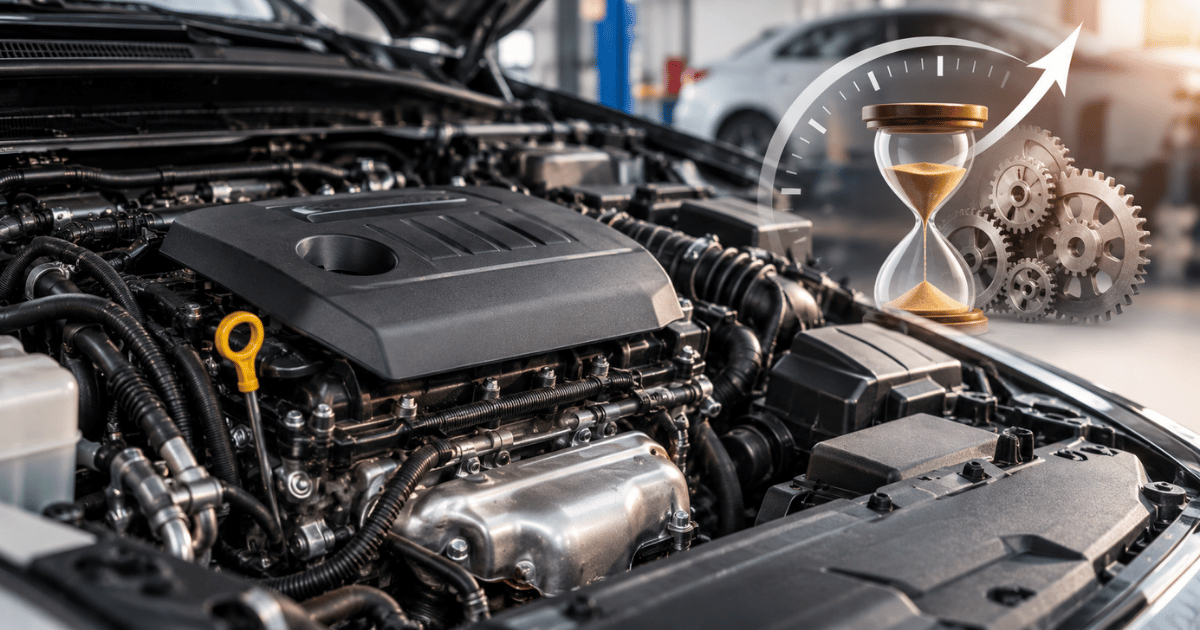
How long does a car engine last? A modern petrol engine often lasts around 150,000 to 200,000 miles, or roughly 240,000 to 320,000 km, before major internal repairs become more likely. Well-maintained engines can exceed that range, while poor lubrication, overheating, neglected servicing, and hard driving can shorten engine life considerably. At Caroto Repair Dubai, we inspect engines for oil consumption, overheating, compression loss, unusual noises, leaks, and other signs of wear. Engine lifespan depends more on maintenance and operating conditions than one fixed mileage number. For Dubai drivers, heat, traffic, and demanding driving conditions make regular oil and cooling-system care especially important. Many modern engines can reach 150,000 to 200,000 miles. Well-maintained engines can continue beyond 200,000 miles. Mileage alone does not determine engine condition. Correct engine oil protects internal components from wear. Repeated overheating can significantly shorten engine life. Cooling-system maintenance is critical in Dubai. Gentle driving after cold starts can reduce unnecessary wear. Oil leaks and warning lights should never be ignored. Compression and oil-pressure tests can help assess engine condition. A modern engine can often provide around 150,000 to 200,000 miles of service with regular maintenance. Some engines reach 250,000 miles or more without requiring a complete rebuild. However, these figures are practical estimates rather than guaranteed replacement points. Two identical cars with the same mileage can have very different engine conditions. One may have received: Regular oil changes Correct coolant Timely repairs Gentle warm-up driving Proper filters The other may have experienced low oil, overheating, delayed maintenance, and repeated hard driving. Maintenance history often tells you more than the odometer alone. A car engine may remain usable for 10 to 15 years or considerably longer, depending on annual mileage and maintenance. Years alone do not wear an engine in the same way mileage does. A ten-year-old vehicle with 80,000 km may have less internal wear than a five-year-old vehicle with 250,000 km. However, age can still affect seals, hoses, gaskets, wiring, and rubber components. This means both age and mileage matter. A vehicle that spends years parked can also develop problems from: Old fluids Dried seals Corrosion Battery issues Fuel deterioration Regular inspection remains important even when annual mileage is low. Engine lifespan depends on lubrication, temperature control, maintenance quality, driving style, and engine design. Several factors have a particularly large effect. Engine oil forms a protective film between moving parts. It also helps control heat, suspend contaminants, and reduce internal friction. Old or low oil can increase wear on: Bearings Pistons Cylinder walls Camshafts Timing components Turbochargers The American Petroleum Institute recommends using engine oil that meets the vehicle manufacturer's required performance category. Caroto's guide onwhat happens if car oil is not changed explains how neglected oil can increase friction, sludge, heat, and internal wear. Also for DIY maintenance, seehow to change engine oil in a car. Repeated overheating can dramatically increase engine stress. Excess heat may damage: Head gaskets Cylinder heads Pistons Valve components Engine seals A healthy cooling system controls engine temperature using coolant, a radiator, thermostat, water pump, hoses, and cooling fans. Caroto's guide onhow an engine cooling system works explains this process in detail. Aggressive driving does not automatically destroy an engine. However, repeated high loads can increase heat and mechanical stress. Habits that can accelerate wear include: Hard acceleration on a cold engine Frequent high-RPM driving Heavy towing beyond recommendations Ignoring warning lights Long periods with low oil Repeated overheating Smooth acceleration and timely servicing can reduce unnecessary stress. Replacing fluids without inspecting the vehicle is not enough. Long engine life also depends on maintaining: Air filters Spark plugs Fuel system Belts Hoses Coolant Engine oil Filters The U.S. National Highway Traffic Safety Administration recommends checking oil, coolant, fluid levels, belts, and hoses as part of vehicle maintenance. Some engine designs naturally tolerate high mileage better than others. Factors include: Engine displacement Turbocharging Cooling design Oil capacity Component materials Manufacturing tolerances Power output However, even a reputation for durability cannot compensate for poor maintenance. Diesel engines often operate with heavier internal components and lower engine speeds. Some can therefore achieve very high mileage. However, modern diesel engines also contain complex systems. These may include: Turbochargers Diesel particulate filters High-pressure fuel systems EGR systems Emissions sensors A petrol engine may have simpler supporting systems but still suffer internal wear when maintenance is neglected. Neither engine type has a guaranteed lifespan. Maintenance history remains more important than fuel type alone. Yes. Many modern engines can reach 200,000 miles when serviced properly and operated without serious overheating or lubrication problems. Crossing 200,000 miles does not automatically mean the engine needs replacement. A high-mileage engine may remain healthy when it has: Good compression Normal oil pressure Low oil consumption Stable coolant temperature No major leaks No abnormal engine noise The vehicle's complete condition also matters. Sometimes the engine remains healthy while the transmission, suspension, electronics, or body require expensive repairs. The best way to extend engine life is to prevent lubrication, cooling, and maintenance problems before they create internal damage. Use the oil viscosity and specification listed by the manufacturer. Do not rely on one universal oil-change interval. Driving conditions, oil type, engine design, and manufacturer recommendations all affect service timing. Caroto providesprofessional car oil change in Dubai, including oil selection, filter replacement, leak checks, and final fluid inspection. An engine can have fresh oil but still run low because of leakage or consumption. Check the oil periodically. Caroto's guide onhow to check oil level in a car explains the correct dipstick procedure. Monitor the temperature gauge and repair cooling problems early. Coolant loss, weak cooling fans, blocked radiators, thermostat faults, and water-pump problems can all cause overheating. A small oil leak can become dangerous when the engine eventually runs below its safe oil level. Common leak points include gaskets, seals, filters, and drain plugs. See Caroto's guide onhow to fix an oil leak in a car for common causes and warning signs. A warning light does not always indicate major engine failure. However, ignoring one can allow a smaller problem to become expensive. Computer diagnostics can identify stored fault codes and abnormal sensor readings. Dubai heat can increase the demands placed on an engine and cooling system, but a properly maintained vehicle should still operate reliably. High outside temperatures reduce the cooling system's margin for error. Dubai driving can also involve: Long AC use Stop-start traffic Extended idling Dust High road temperatures Long motorway journeys These conditions make coolant, oil, radiator airflow, and cooling-fan performance especially important. Drivers in Jumeirah 1 and wider Dubai should investigate repeated overheating, coolant loss, or oil-pressure warnings instead of treating them as normal heat-related behaviour. High mileage alone does not prove an engine is near failure. Look for a combination of symptoms. Warning signs can include: Excessive oil consumption Blue exhaust smoke Persistent white smoke Low oil pressure Knocking noises Poor compression Loss of power Repeated overheating Coolant mixing with oil Heavy crankcase pressure Metal particles in engine oil One symptom does not always mean the engine requires replacement. For example, a loss of power could come from ignition, fuel, turbocharger, sensor, or air-intake problems. Professional diagnosis should come before deciding on a rebuild. The decision depends on the engine's condition and the value of the complete car. Caroto Repair Dubai providesengine repair in Dubai, including engine diagnostics, internal repairs, cooling-system work, and engine rebuilding. A proper inspection can determine whether the problem needs a small repair, major rebuild, or complete engine replacement. A modern engine can often last around 240,000 to 320,000 km, while well-maintained engines may travel considerably farther. Maintenance history, engine design, driving conditions, and previous overheating strongly affect the final lifespan. Yes. Many properly maintained engines can reach 300,000 km or more. Regular oil changes, correct coolant, timely repairs, and avoiding repeated overheating improve the chances of reaching high mileage. 200,000 km is high mileage, but it does not automatically mean the engine is worn out. Compression, oil consumption, oil pressure, service history, leaks, and operating temperature provide better clues. Yes, an engine can remain usable for 20 years when mileage, maintenance, storage, and operating conditions are favourable. Age-related seals, hoses, gaskets, and other components may still need replacement. Severe lubrication loss and overheating are among the most damaging engine problems. Ignoring low oil, coolant loss, temperature warnings, or abnormal noises can allow serious internal damage. The correct high-quality oil can help protect an engine from wear, deposits, and heat. However, always use the viscosity and performance specification approved by the manufacturer. It can be. The decision depends on repair cost, vehicle value, overall condition, service history, and the type of engine damage. Diagnosis should come before replacement. How long does a car engine last? A practical expectation for many modern engines is around 150,000 to 200,000 miles, with well-maintained engines often travelling farther. The odometer alone does not determine engine health. Correct oil, stable operating temperature, clean filters, timely repairs, and good driving habits all influence engine lifespan. For Dubai drivers, cooling-system and lubrication maintenance deserve particular attention because heat and heavy traffic increase operating demands. At Caroto Repair Dubai, we diagnose engine noise, overheating, oil consumption, leaks, compression problems, warning lights, and other signs of engine wear. Our workshop is located at 67M8+FHQ, Jumeirah 1, Jumeirah, Dubai, United Arab Emirates. Call +971 56 858 7348 or get directions throughCaroto Repair Dubai on Google Maps.Key Takeaways
How Many Miles Can Engines Last?
How Many Years Do Engines Last?
What Affects Engine Lifespan?
1. Engine Oil Maintenance
2. Engine Temperature
3. Driving Habits
4. Maintenance Quality
5. Engine Design
Petrol vs Diesel Engine Life
Can an Engine Last 200,000 Miles?
How to Extend Engine Life
Follow Oil Intervals
Check Oil Levels
Prevent Overheating
Fix Leaks Early
Respond to Warning Lights
Does Dubai Heat Shorten Engine Life?
Signs an Engine Is Wearing Out
Repair or Replace an Old Engine?
Frequently Asked Questions
Q1: How many km does a car engine last?
Q2: Can a car engine last 300,000 km?
Q3: Is 200,000 km high for an engine?
Q4: Can an engine last 20 years?
Q5: What damages an engine most?
Q6: Does synthetic oil make engines last longer?
Q7: Is it worth repairing a high-mileage engine?
Final Thoughts
Need an Engine Inspection in Dubai?